SUNLU 3D Printer Filaments Comparison and Review
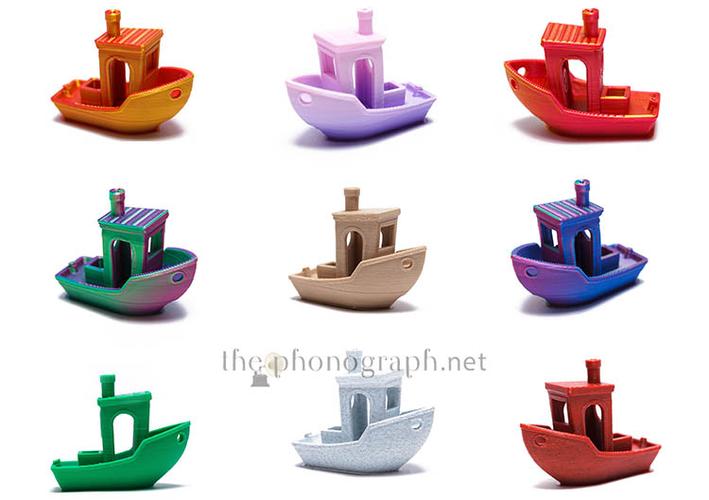
SUNLU is one of the main filament manufacturer for 3D printers. Due to their huge catalog wit endless variety of filament types, we have created this SUNLU 3D Printer Filaments Comparison and Review article.
It is important to highlight that our team has tested each of the filaments reviewed and compared in this article; any other filament type and color variant that has not been personally tested is not included.
Some of the characteristics that we have noticed with SUNLU filaments is that from entry-level, budget to premium filaments, all of their models come perfectly packed and never showed tangling issues while printing – tangling can not only ruin a perfect print job throwing all the hours dedicated to the trash but can also risk to break your printer if things get really tangled and jammed. This should not be underestimated as many filament brands have issues with tangling but with almost a dozen of SULNU filaments tested, none of them ever showed tangling problems.
Another detail seen on al SUNLU filaments is that they come packed with a desiccant and inside a vacuumed sealed bag; thus ensuring that you do not receive a filament filled up with moisture and humidity; therefore, shipping their filaments ready to be printed and reducing the need to run the filaments through a dehumidifying cycle right after unboxing your new filament.
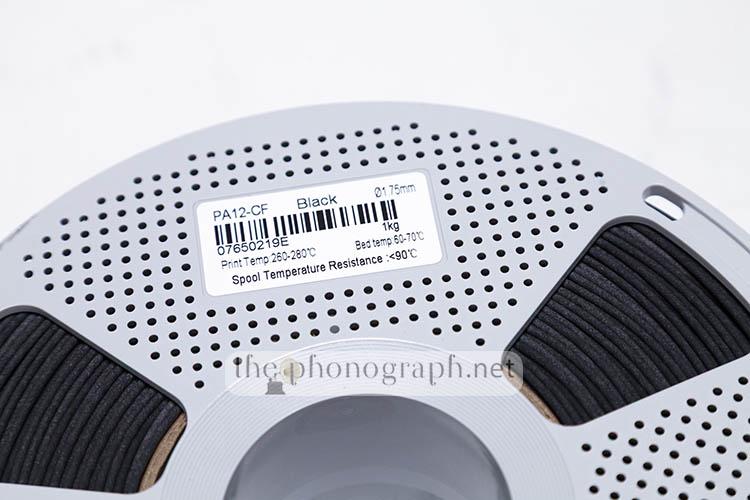
Each spool comes with a printed label that identifies the model, color and type of filament and even lists the optimal, recommended printing temperature parameters for the print head and bed, with the corresponding printing speed ranges according to the printing temperature – you also get the values for the spool holder temperature resistance, so you do not risk to exceed the tolerance when running the spool through a dehumidifier.
Some of the spool holders are reusable, like the ones included with all engineering filaments.
SUNLU 3D Printer Filaments Comparison and Review
SUNLU PLA Marble Forest Green Marble
Type: High Speed PLA
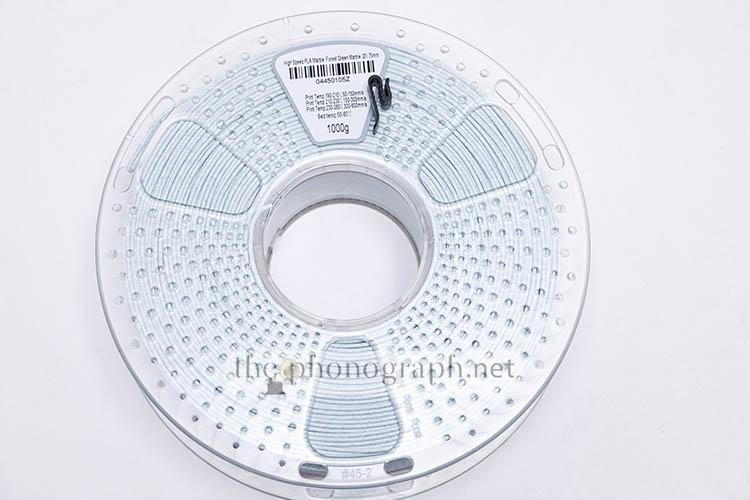
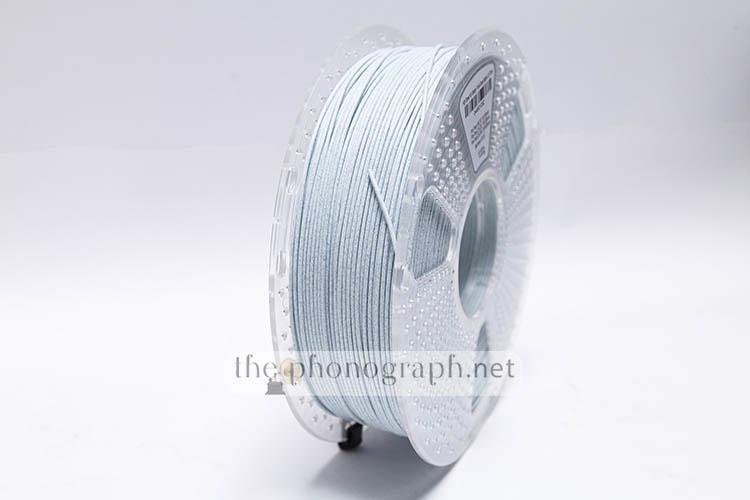
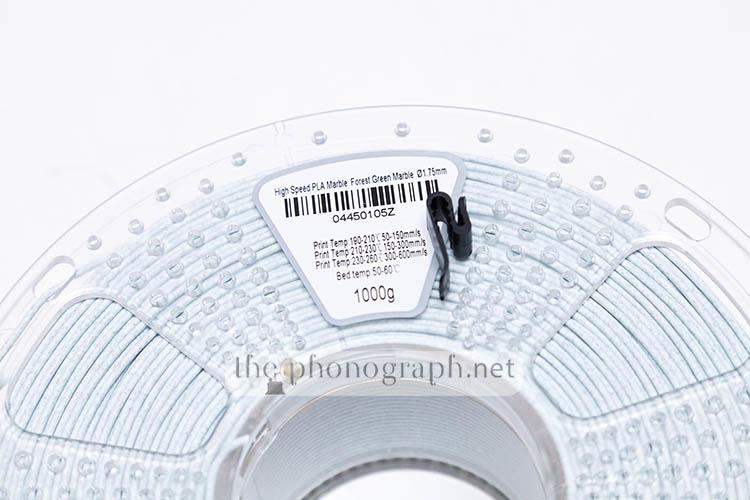
SUNLU PLA Marble offers an unique aesthetic that you can simply not mimic with any standard PLA filament.
The versatility and beauty of the prints that can be achieved with the SUNLU PLA Marble makes it a no-brainer for any 3D print enthusiast.
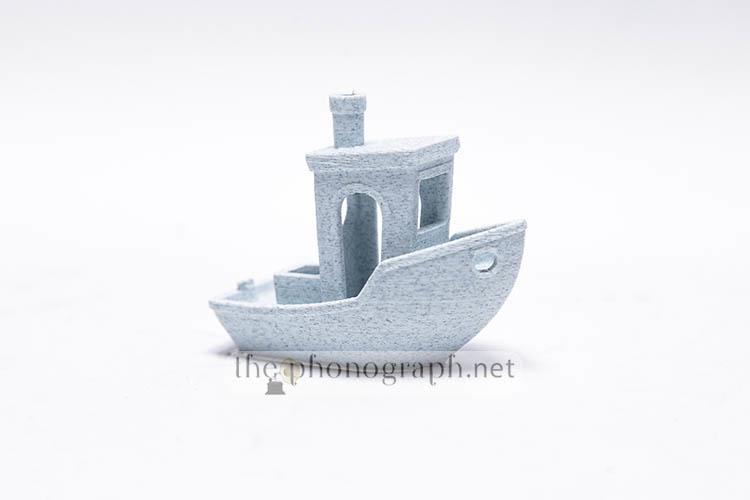
The brand did an excellent job mimicking true marble which matches perfectly 3D print designs that get out the printer without the need of any painting, sanding post-production.
Even more, the filament is one of the fastest and easiest to print filament out there, being a High-Speed PLA class, supporting printing speeds of up to 600mm/s.
Moreover, the filament can be printed with any 3D printer as the needed temperatures are non-demanding (190°C to 250°C / bed temperatures 50°C to 60°C)
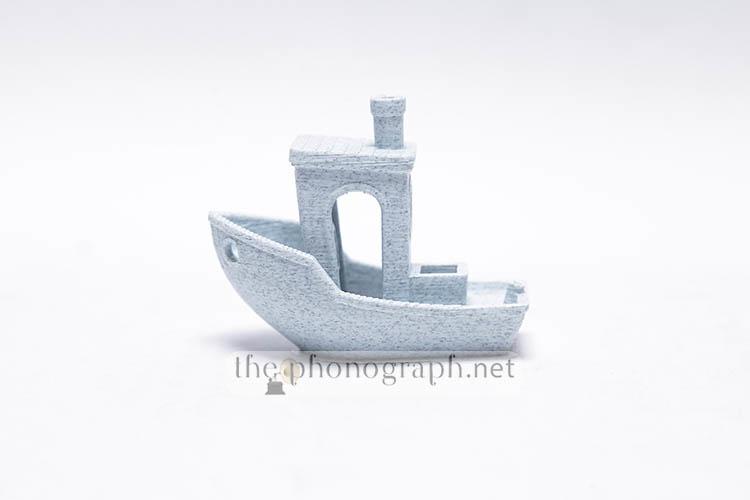
We started printing a Benchy model with the same speeds and settings that we use typically with other fast PLA filaments like HyperPLA. The print came impeccably out of the printer with no stringing, warping nor any defect.
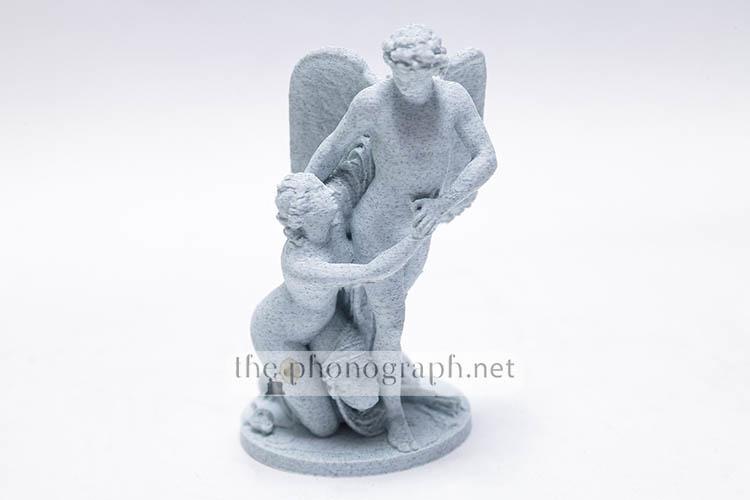
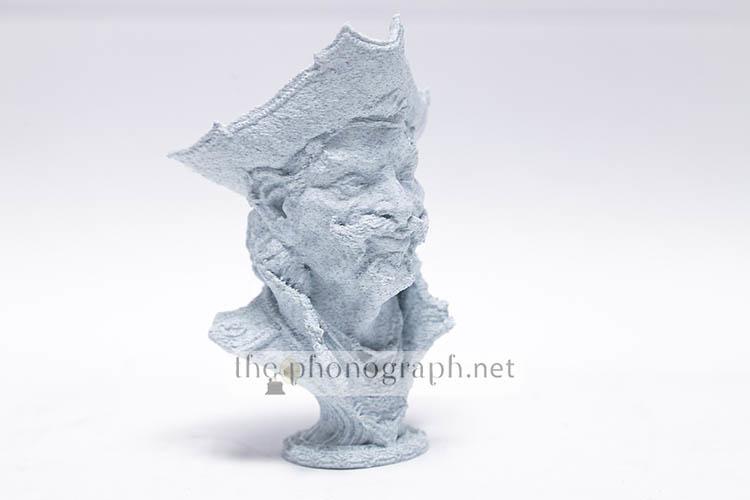
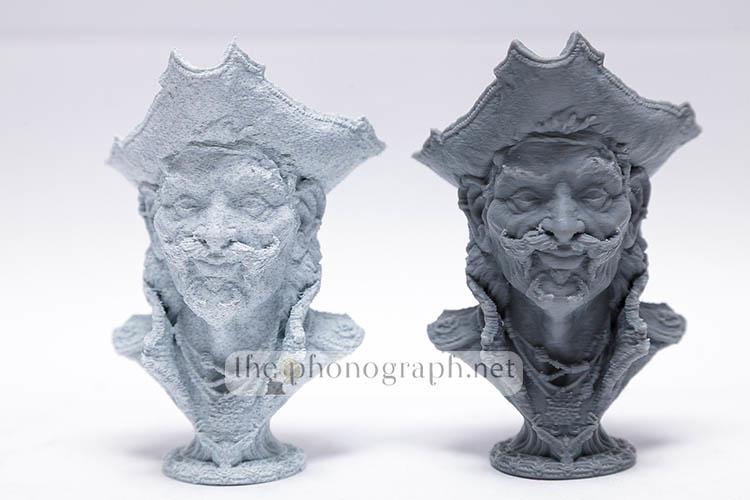
As a 2nd and 3rd tests we printed 2 designs that we usually use for reviews and in this particular case that were printed in the past with resin 3D printers too. Below you will see side by side a bust model sitting next to the same print done with a normal grey PLA, you will see right away the much nicer and special look of the prints with the SUNLU PLA Marble.
SUNLU PLA Marble Forest Green Marble
RELATED TO THIS:

SUNLU PLA Marble Brick Red
Type: High Speed PLA
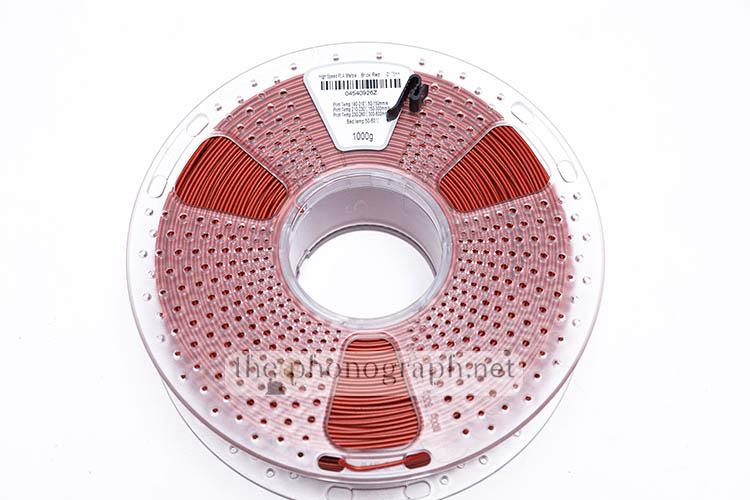
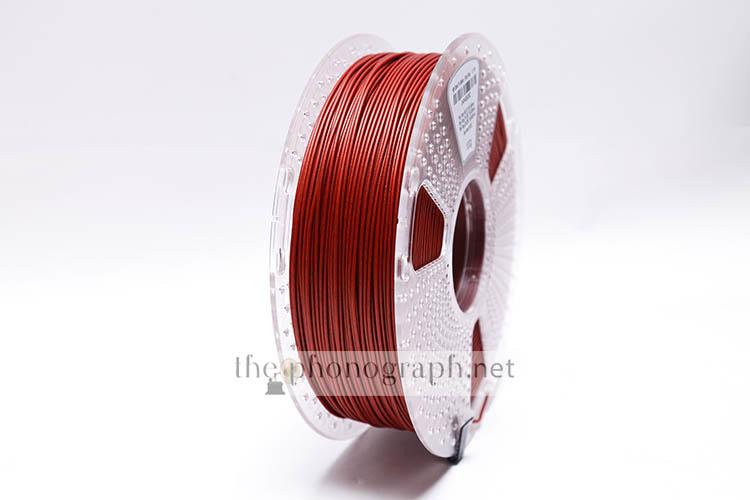
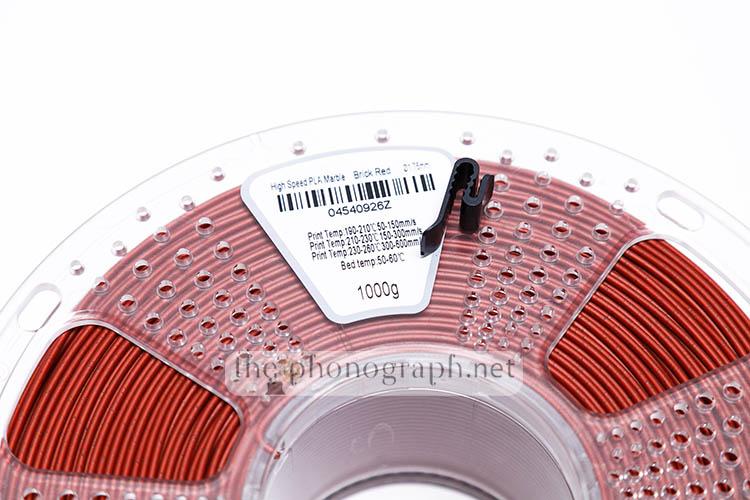
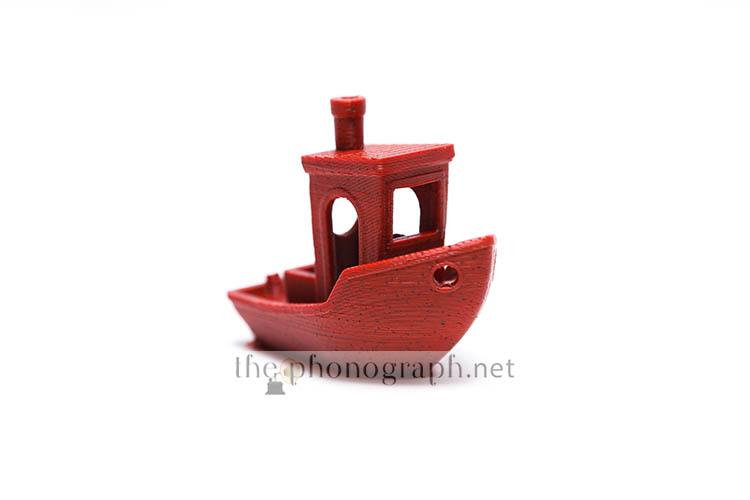
The SUNLU PLA Marble Brick Red is another variant model of the Marble series from SUNLU.
As all other marble models, the SUNLU PLA Marble Brick Red shares all the exact same tech-specs, temperature and speed tolerances as the SUNLU PLA Marble Forest Green Marble.
Mainly, the difference is the finish and aesthetic with a brick mimicking finish that can, consequently, be a superb filament to all enthusiasts that print buildings or want a brick texture “out-of-the-box” without needing to fiddle with post-processing.
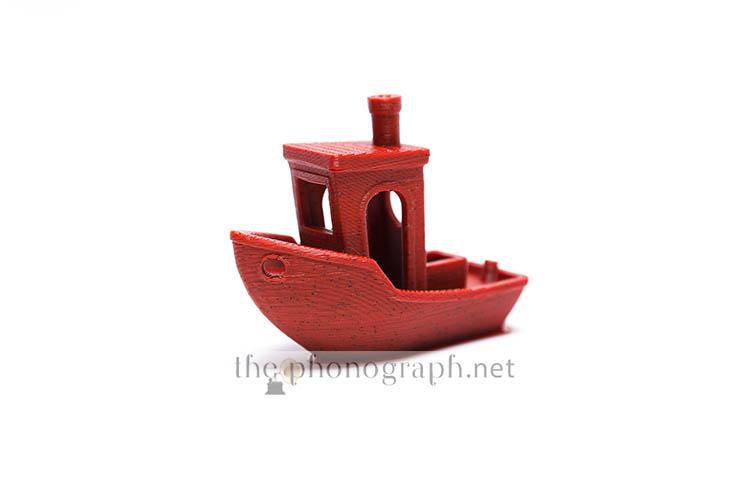
Exactly as with the Marble Forest Green, we printed a Benchy with speeds and parameters that we use for High-speed and HyperPLA filaments and the model came out printed flawlessly.
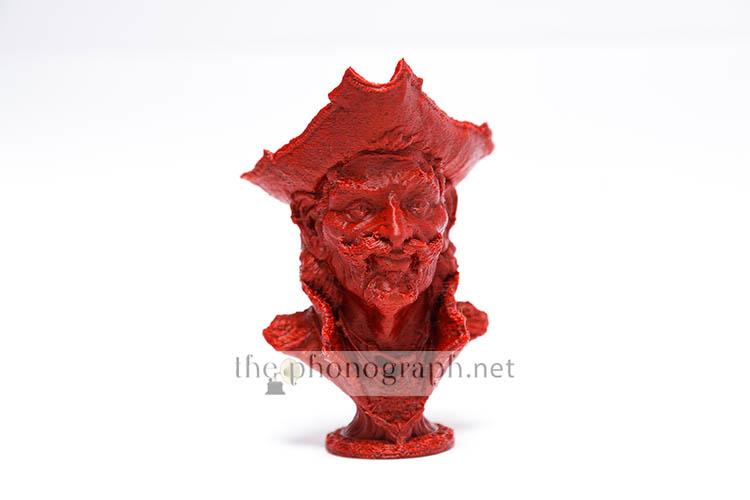
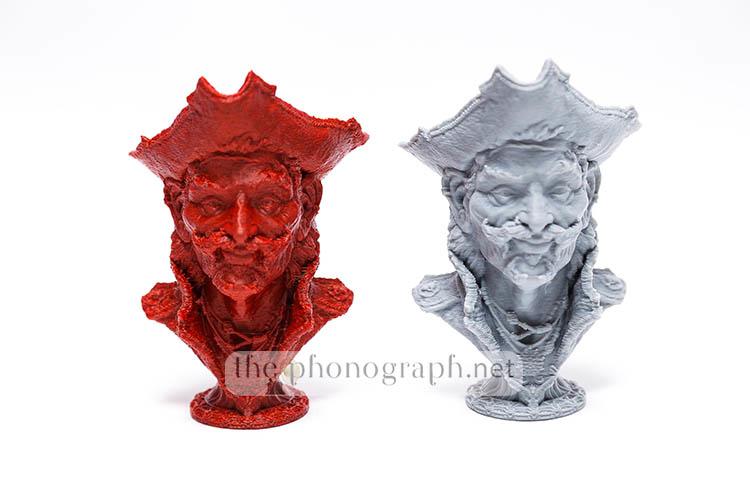
We also printed the same bust design so you can have a direct visual comparison of how the aesthetic finish defer from each other.
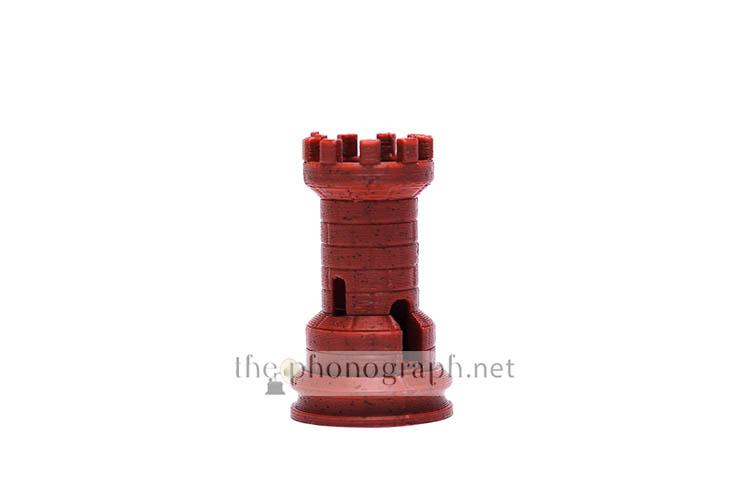
Finally we printed a more coherent design with this type of filament which was a Rook with bricks design; you can appreciate how well the bricks design with the finish of the filament match.
SUNLU PLA Marble Brick Red
SUNLU Real Wood Fiber PLA
Type: PLA+Wood
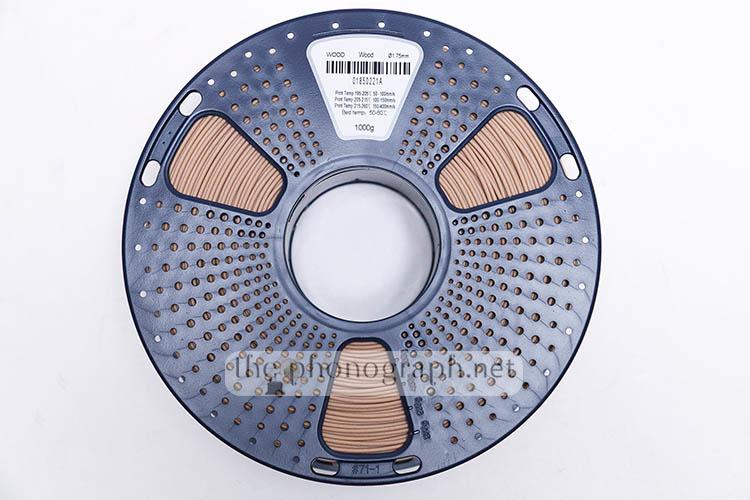
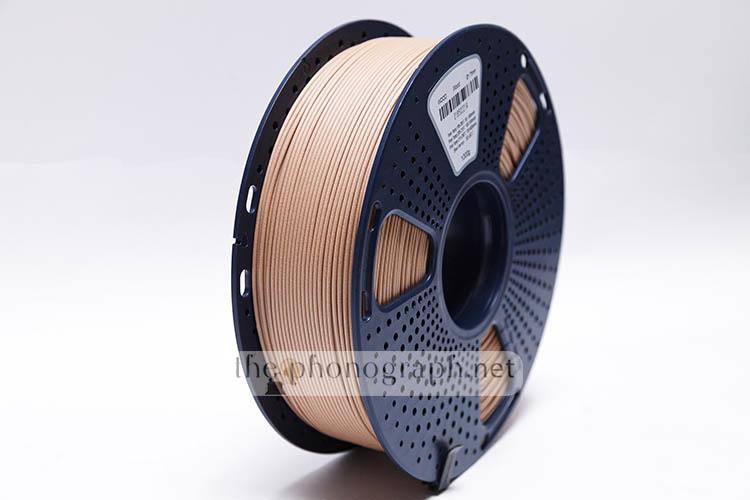
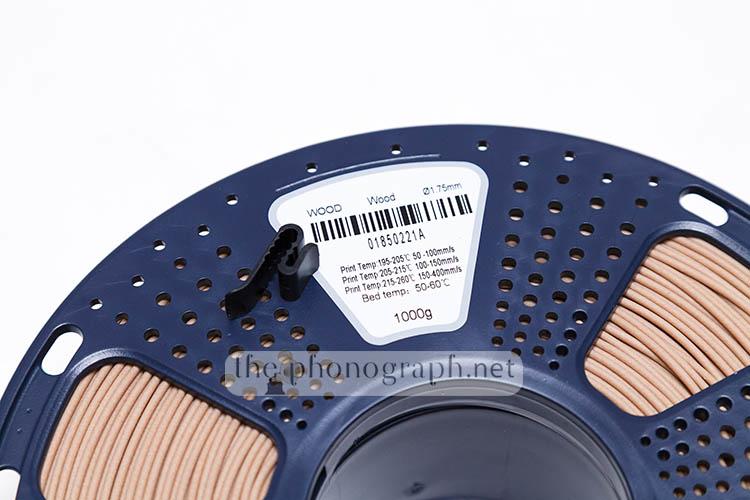
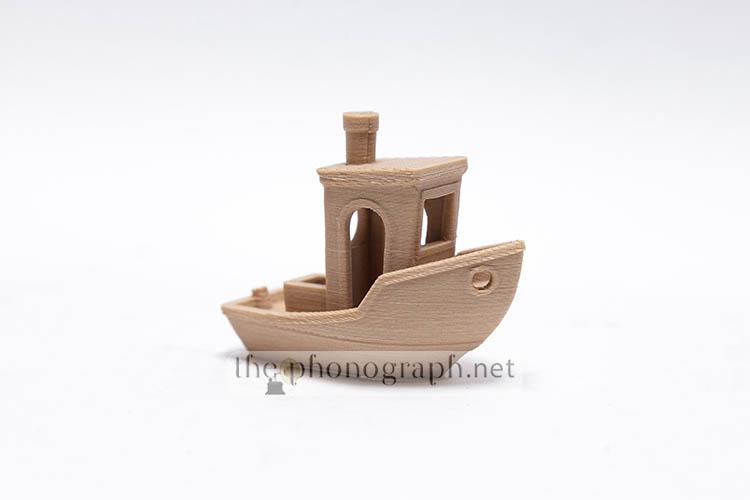
The SUNLU Wood PLA is a special filament model from the brand with the combination of PLA and 15% of wood powder that gives it a wood alike aesthetic, finish and even wood smell while being printed.
You might fear that the specialty of this filament requires flagship 3D printers, rare temperatures and ultra-slow printing speeds but this is absolutely not the case for the SUNLU Real Wood Fiber PLA. Instead, this filament is easy to print with nozzle temperatures ranging from 195°C to 200°C and bed temperatures from 60°C-65°C – you can push the printing speeds to 400mm/s without issues.
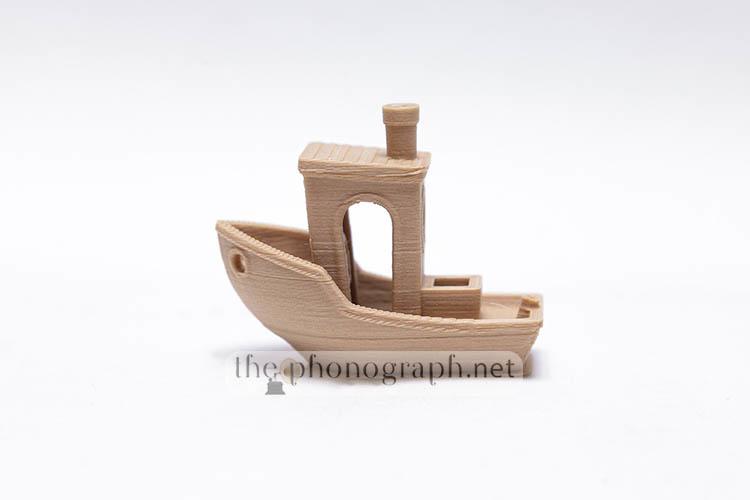
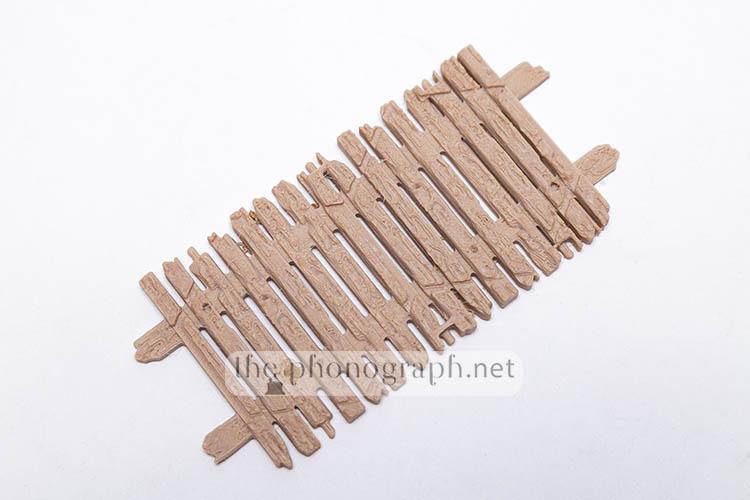
The textured and wood-styled aesthetic finish of the filament gives superb results to hide the visibility of the print layers.
To be aware of:
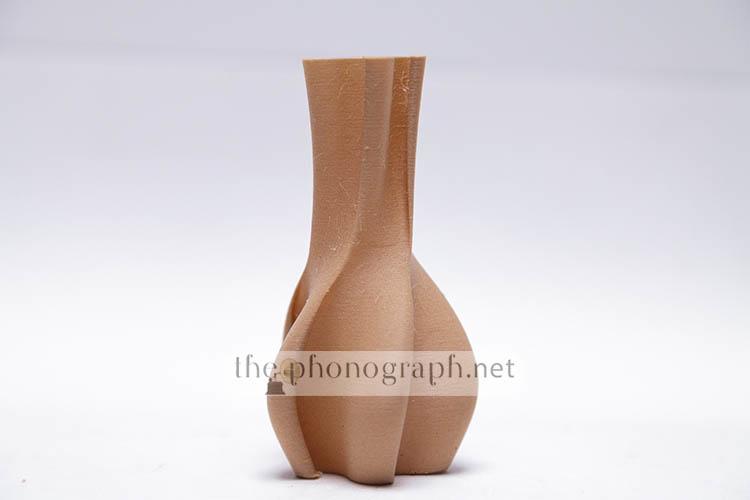
The SUNLU Real Wood Fiber PLA is prone to moisture absorption and stringing if not dehumidified. In fact, as you can see from our photos below, the large vase print showed signs of a filament that has absorbed moisture but all the other print tests did not exhibit any problem as we, then, ran the filament through a full dehumidification cycle with a SUNLU FilaDryer S4.
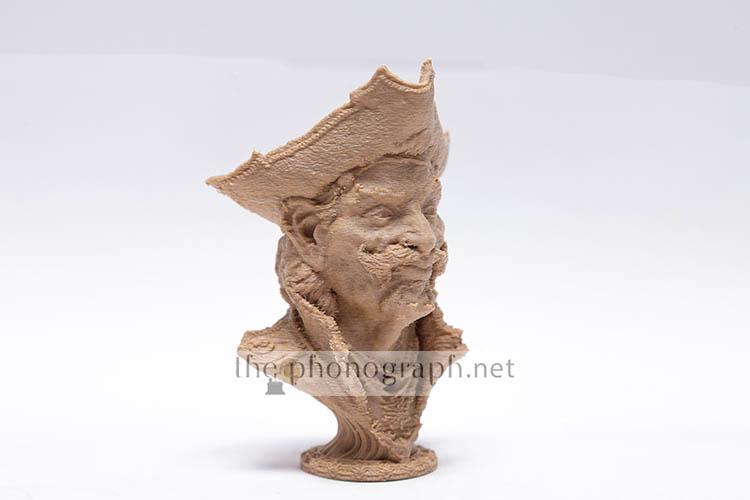
As with the marble models, we printed a Benchy and bust design so you can see the same designs and evaluate the different looks that can be obtained with each other.
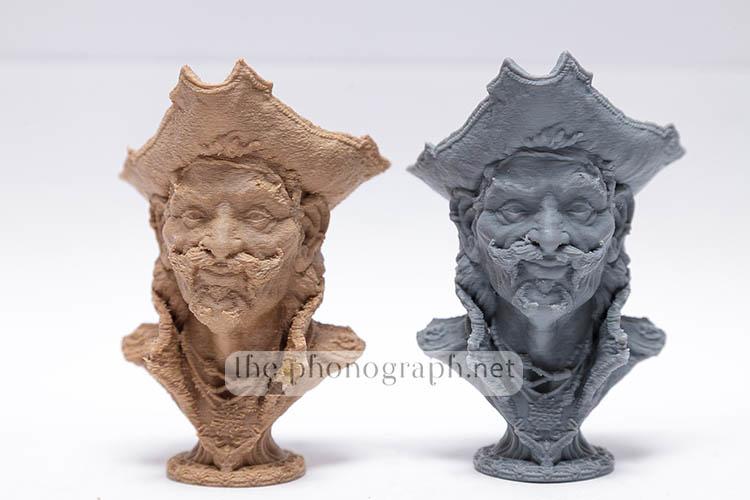
Also you can see side-by-side the wood-printed bust next to a grey PLA print of the same model.
The 3rd print test shows the cool effect that you can get when you use this filament with a design that simulates wood elements.
SUNLU Real Wood Fiber PLA

SUNLU PA12-CF
Type: Nylon12-Carbon Fiber
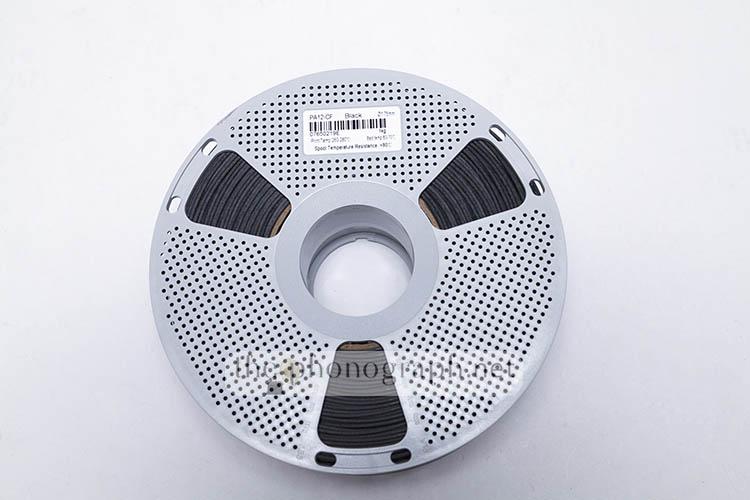
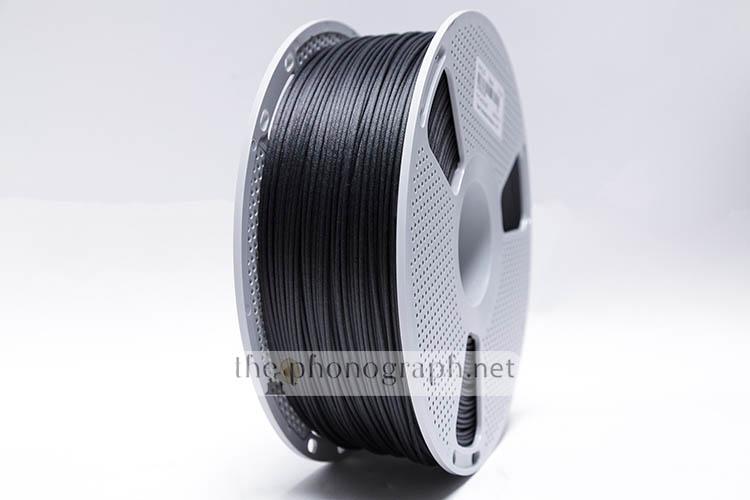
Just like the SUNLU PC-ABS, the SUNLU PA12-CF is another filament part of the engineering series due to its construction materials and highly advance properties.
Being made of nylon12 and carbon fiber, this filament flaunts impressive qualities such as a groundbreaking low weight thanks to its low density but still being massively stronger than classic filaments – also is resistant to chemicals such as oils, fuel and solvents.
In fact, the filament is perfect for more technical and advanced prints and uses that can take advantage of its superb specs and capabilities such as high-impact resistance, mechanical resistance, friction resistance and higher temperatures tolerance (175°C) sitting among the leading filaments for high temperatures.
To put it in reference numbers, the SUNLU PA12-CF has as much as nearly 6 times the flexure strength of a standard PLA filament (163MPa) and 100MPa of tensile strength.
In our specific case, we loved the ultra-light weight, robustness and even the finish of the SUNLU PA12-CF over the smooth SUNLU PC-ABS. They are different but we were more attracted to the PA12-CF and the “special” texture – layers are barely visible at plain sight.
To be aware of:
Filament can be brittle and more fragile before printing; can snap. Despite having a low humidity absorption rate than other engineering filaments, the filament is still not immune to it; running the filament through a dryer is a smart move to do before printing – the spool holder is made of PC to handle the higher temp. needed for drying this filament.
Also do consider that the filament is very demanding and you will not be able to print it with a low and mid-tier budget printer. The filament needs to be printed with temperatures ranging from 260°C to 280°C and bed temperatures about 50°C to 70°C; recommended speeds are between 60mm/s and 100mm/s – you need to use glue.
To make us of the high qualities, we did different test prints like a complex studio light modifier with mount for photography flashes and Nikon lens mount, taking advantage of the light weight of the print but confident ruggedness.
The 2nd and 3rd tests were two versions of plate replicas and compatible with Manfrotto video heads; the prints came perfect and slided in the Manfrotto head as smoothly as an original one but weighting 10 times less.
The final print was a Snoot adapter with Bowens mount, the snoot had to tolerate the extremely high temperatures that came from the 350W LED studio lights yet without adding weight to the unit – the SUNLU PA12-CF was a dream came true for this print and application.
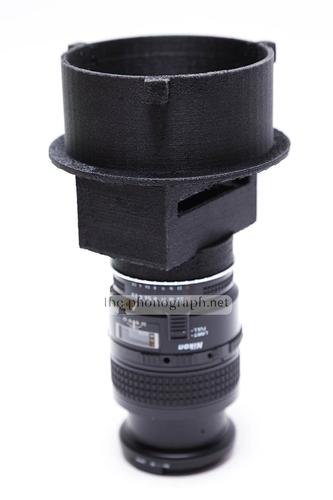
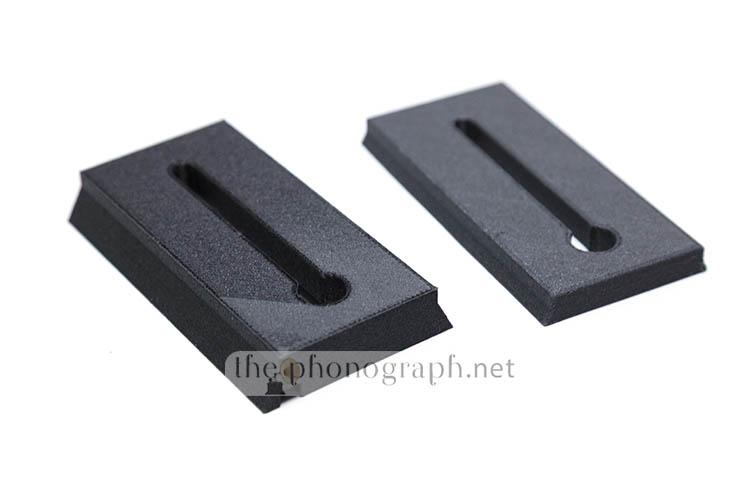
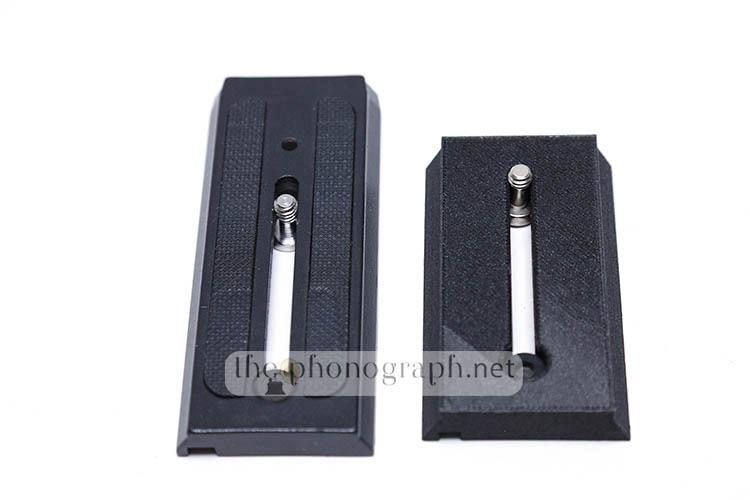
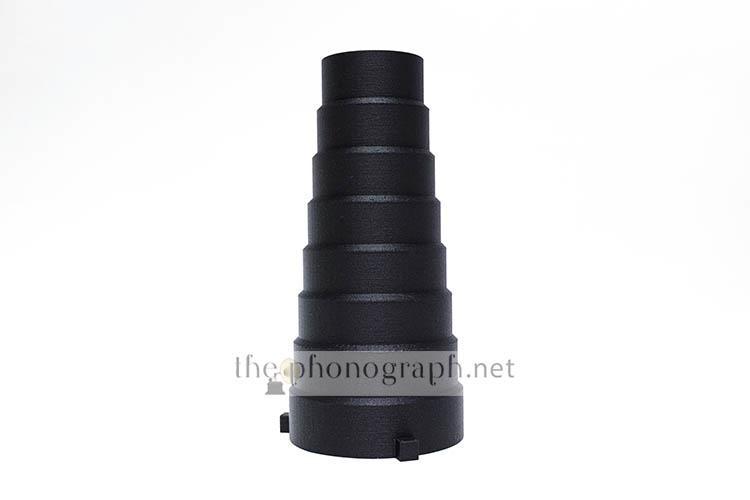
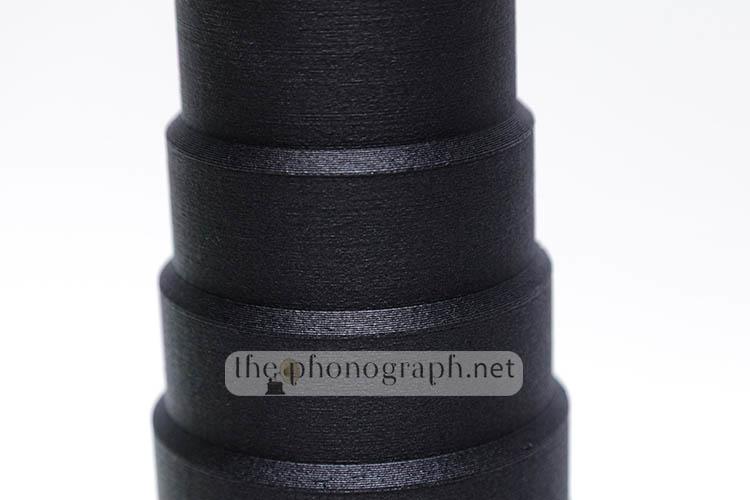
SUNLU PA12-CF
RELATED TO THIS:
SUNLU PA6-CF
Type: Nylon6-Carbon Fiber
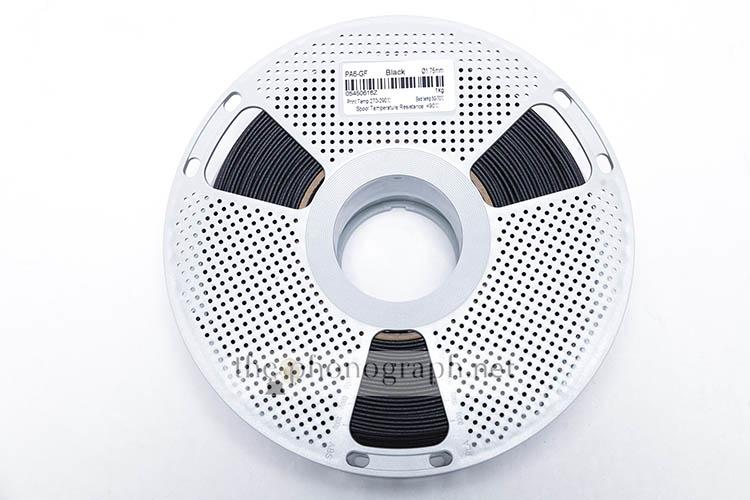
This filament is an alternative to the SUNLU PA12-CF with a similar name but different material and some diverse tech specs and usability excellences.
The SUNLU PA6-CF is made of nylon6 and 20% carbon fiber which allows it to inherit the light-weighted qualities of the PA12-CF yet being a wiser choice for even higher temperatures and chemical resistant usage.
The SUNLU PA12-CF was already impressive with a temperature tolerance of 175°C and the PA6-CF surpasses it with a whopping 209°C.
Another massively superior spec is the strength of this filament, which ranks as the strongest of all the filaments from the brand; having a tensile strength of 120MPa and flexural strength of 240MPa (170MPa was the value for the PA12-CF)
The SUNLU PA6-CF is a filament that is hard to pass on and to our surprise, the PA6-CF is not only stronger and more tolerant to higher temperatures than the PA12-CF but it is also usually cheaper.

The drawback is that the filament requires even higher printing conditions than the PA12-CF; needing a print temp of 270°C-280°C, bed at 100°C but you can push a bit further the print speeds (130mm/s)
Aesthetically, the PA filaments look very similar, with the PA6-CF having a semi-matte textured surface and inconspicuous print layers.
To be aware of:
Since the PA6-CF is more prone to absorb humidity than the PA12-CF, it is highly recommended to print with the spool inside a dedicated temp/humidity control unit like the FilaDryer S4 or the SUNLU AMS Heater.
Also warping can happen if you do not dehumidify the filament and do not apply a correct amount of glue on your print bed.
As for print tests, we decided to create a tilt-shift photography adapter that has to grant very strong and locking systems with a camera on one side and to a lens on the other end. Also the design uses 4 mechanical moving parts and securing screws, so the filament needed to be able to tolerate also the weight and movement but having to offer prints precise enough as to fit each assembly mechanical piece with perfection – the SUNLU PA6-CF did not disappoint and made the print a breeze to make and assemble.
The other print test was a dual piece made of a strobe modifier adapter and a honeycomb light control system that would fit in the proximity the extremely high temperature emitting LEDs.
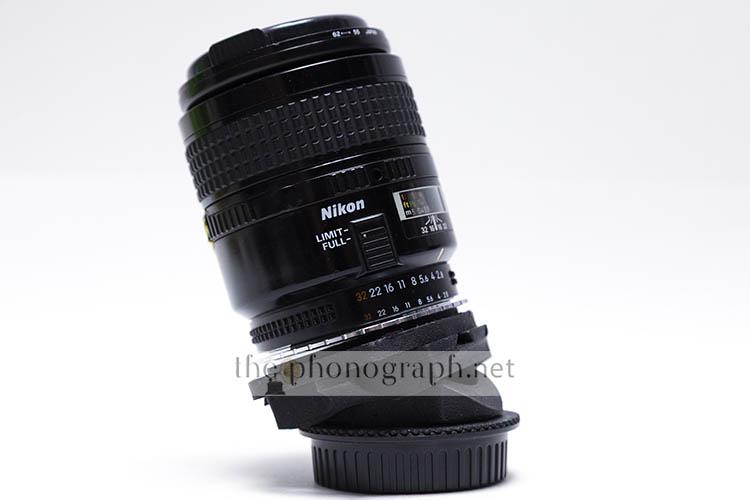
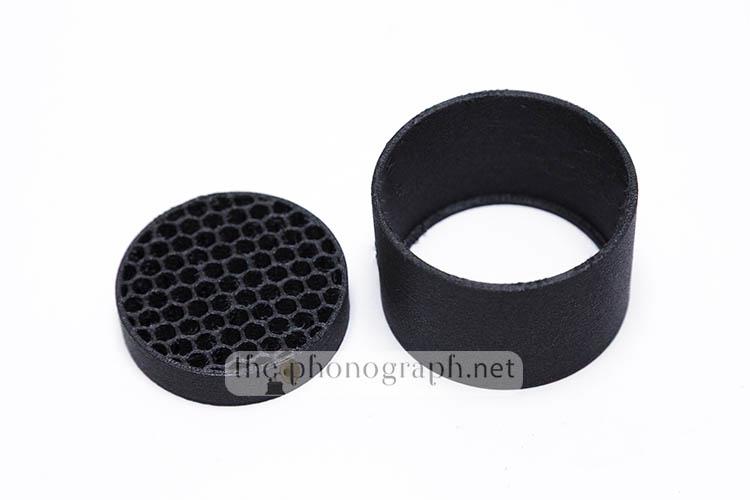
SUNLU PA6-CF
SUNLU PA6-GF
Type: Nylon6-Glass Fiber
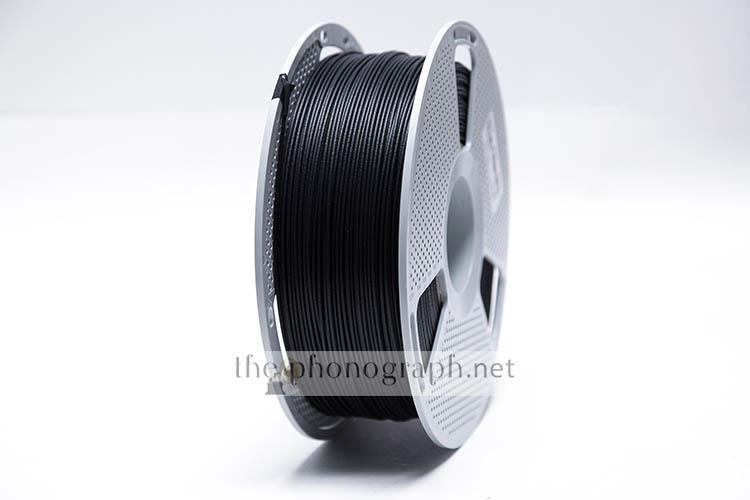
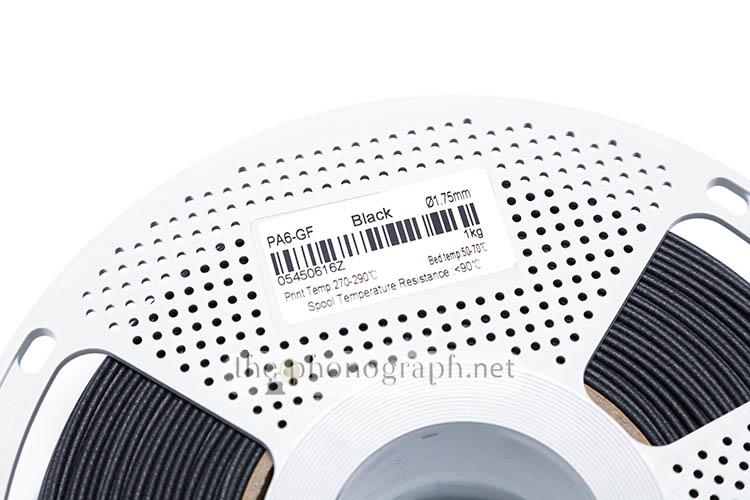
The SUNLU PA6-GF is also part of the engineering filaments from SUNLU (like the other nylon filaments); but this filament has a main difference that despite sharing the nylon part of the construction (nylon6 in this case), it also incorporates 25% of glass fibers (instead of carbon fiber)
We were impressed by the temperature handling of the PA12-CF and PA6-CF and still the SUNLU PA6-GF surpasses the insane temperatures that the aforementioned can tolerate; being that the PA6-GF can resist heat of up to 214°C (tensile and flexure strengths are inline with the PA12-CF)- in fact, being this, we did a print test of a hair dryer nozzle adapter so we could test and make sure that the print was using a filament fit for the high-temp purpose.
The added glass fibers with nylon6 also enhance the chemical resistant capabilities of this filament; which made the team decide to opt for a specialized funnel print test which would be used for all type of diverse chemicals including acids and bases.
Aesthetically, the SUNLU PA6-GF has a similar style as the other nylon siblings with a semi-matte finish and a textured feel but we could say that the PA6-GF is a tiny bit shinier. Layers and overall looks are clean and exude a feel of high-grade and premium materials.
As a 3rd print test, we did a 5-piece gobo flag kit that are installed millimeters away from a high-intensity, large COB that heats up like crazy. As the gobo is placed so near to this heat-generating piece and the design has small and relatively thin patterns, the filament had to be the best in the market for high-temperatures resistance and the SUNLU PA6-GF was the ideal combination.
To be aware of:
Dehumidification and printing from a filament enclosure is fundamental for this filament; also the use of glue is imperative to get fail-free prints – the filament can be brittle and fragile before printing.
As with all engineering-grade filaments, the SUNLU P6-GF requires a higher-tier printer with a fully enclosed design and a heated chamber. The filament is among the more demanding ones to print efficiently, needing nozzle temperatures of 270°C to 290°C and speeds that cannot surpass (ideally) 130mm/s. On the other hand, the bed temperatures are less extreme than what it is needed with the PA6-CF, allowing users to meet the requirements with as low as 50°C to 70°C.
If your printer cannot reach these conditions, do not attempt to print this filament (an any of the other engineering-grade) as you will not be able to print them and you can also risk to damage your print head, extruder and nozzles.
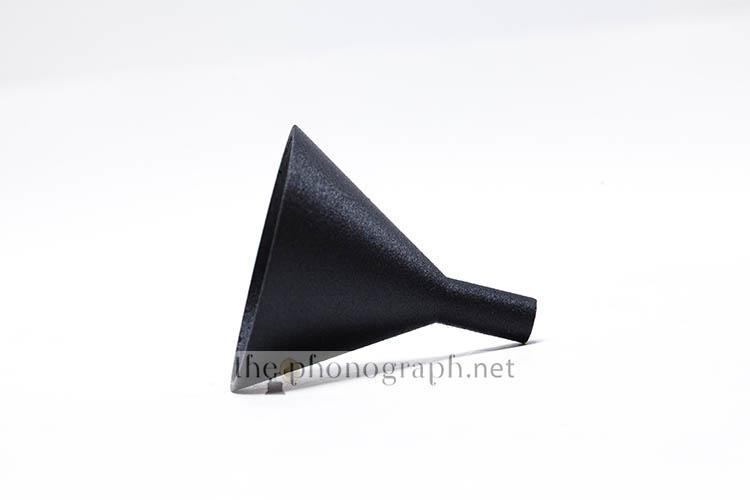
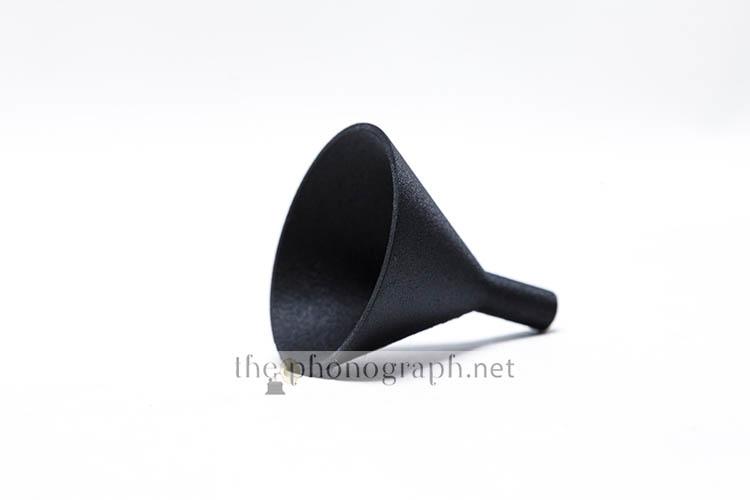
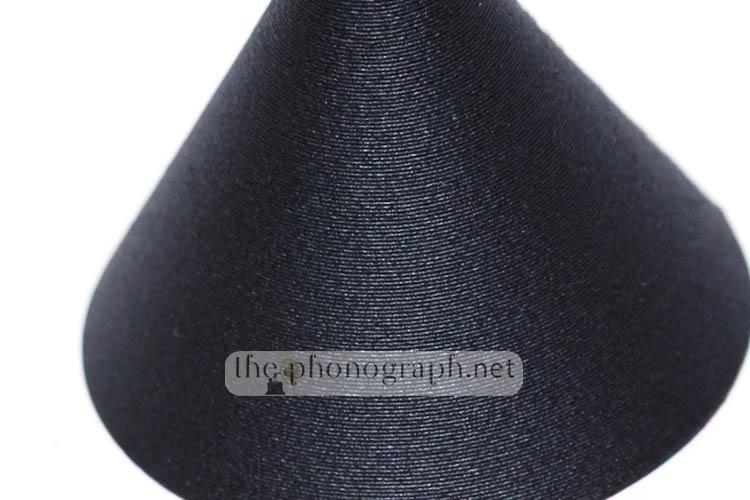
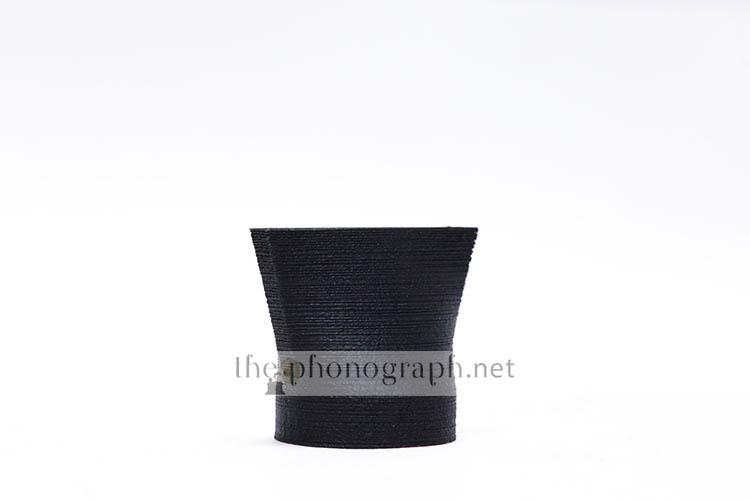
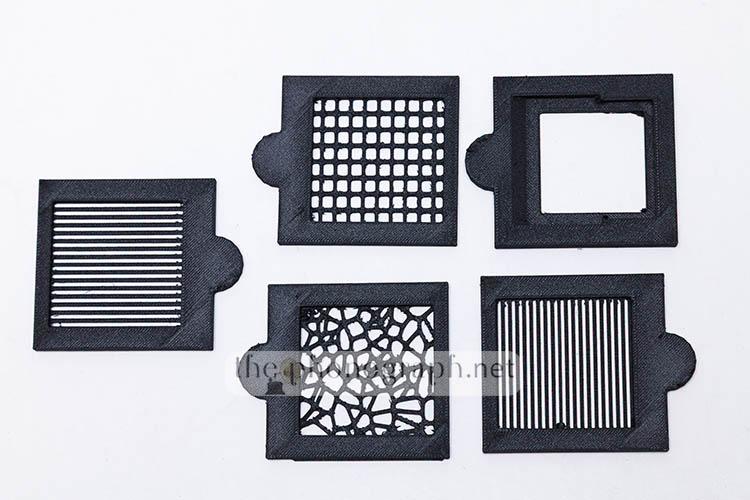
SUNLU PA6-GF
SUNLU PLA+ Rainbow 03
Type: PLA
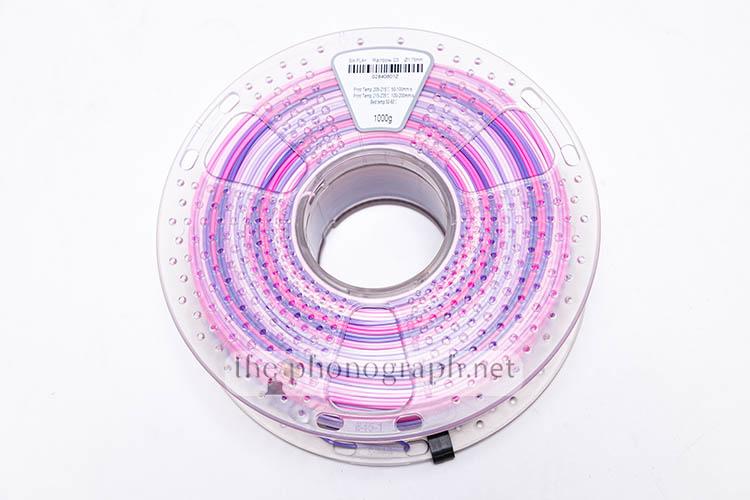
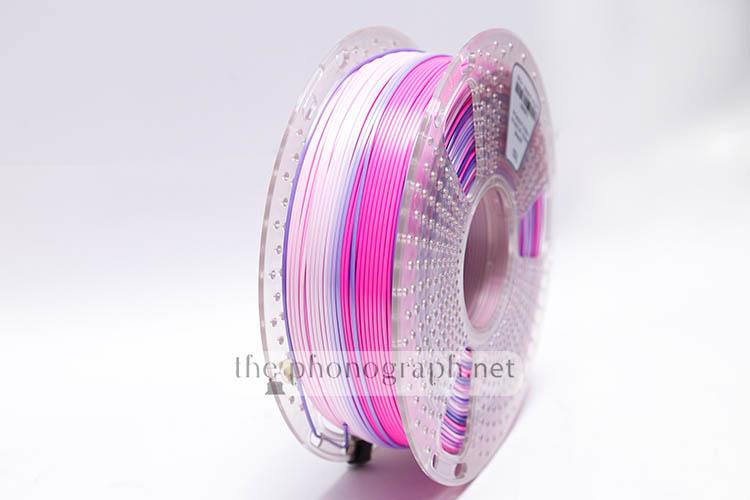
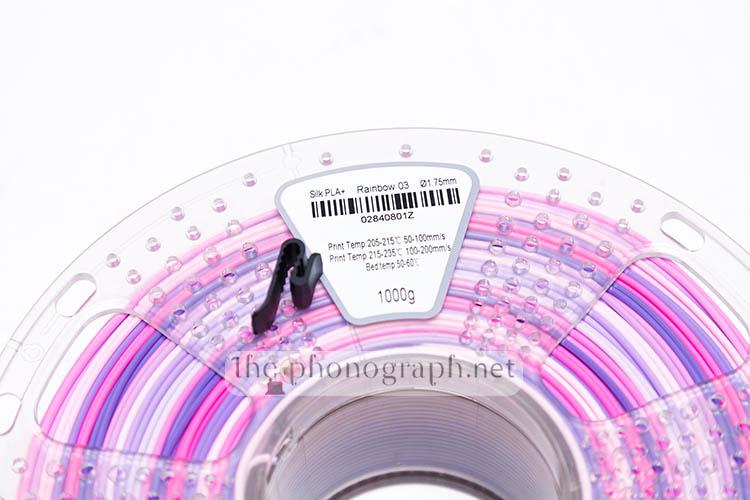
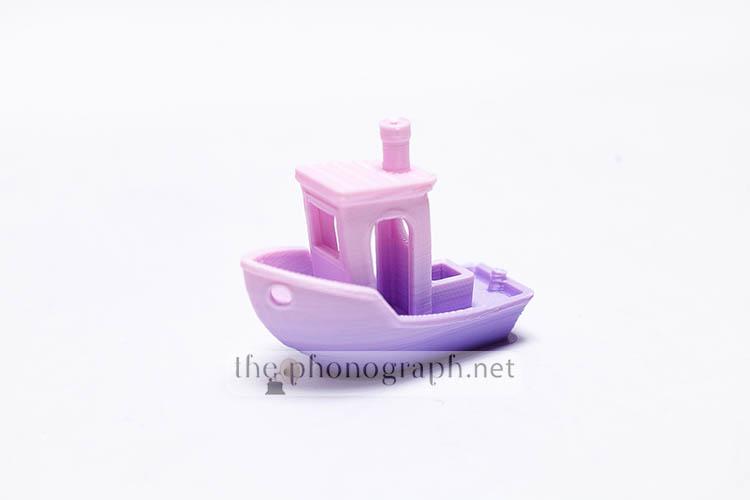
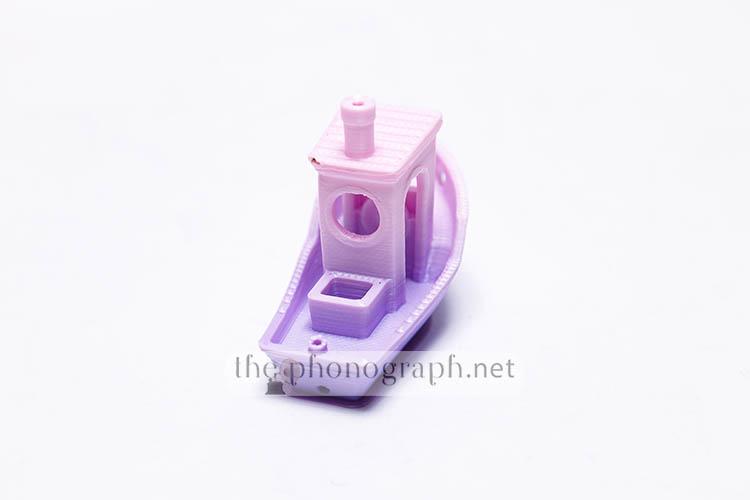
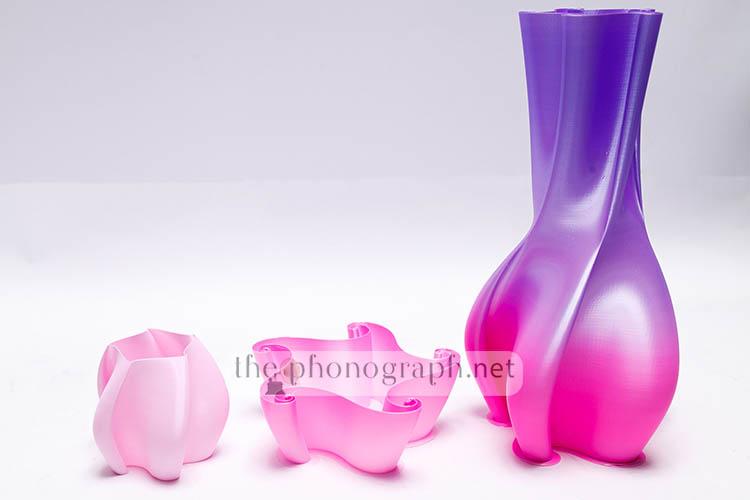
The SUNLU PLA+ Rainbow, and specifically the 03 variant, makes simply stunning prints with a buttery creamy transition of 3 colors in pristinely harmonic matching shades.
You can enjoy the popping effect of multi-color prints without the hassle and high-cost of a multi-color 3D printer.
Being made of PLA+, the SUNLU PLA+ Rainbow 03 is as easy to print as your normal PLA filaments. Specifically, this filament has recommended parameters such as: printing temperature= 205°C to 235°C, bed from 50°C to 60°C and printing speed of 50mm/s to 200mm/s.
You can see a Benchy print test and how delightfully it looks with results that would imply hours of manual painting and high skills to get a results even remotely similar to this.
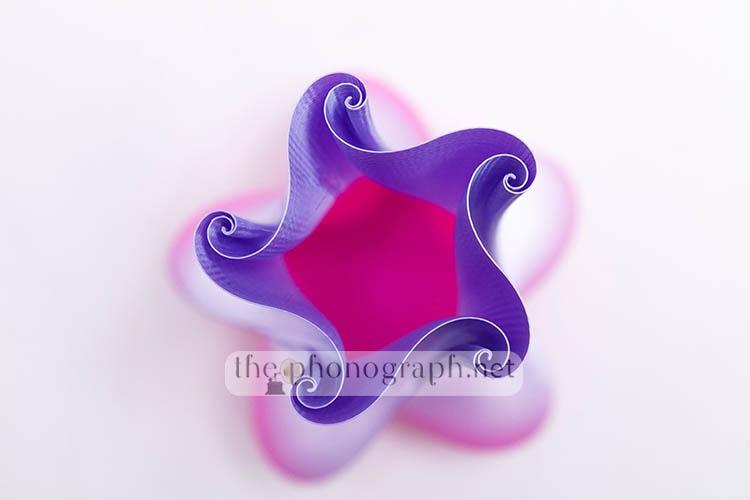
You can also see a 250mm in height vase print that showcases the further shades of violet and pink that you can expect – to the left of the print you can see other 2 partial prints that show another 2 pink transitional shades obtainable.
A piece of cake to print and handle and exquisite final aesthetics make the SUNLU PLA+ Rainbow 03 a nice filament to get.
SUNLU PLA+ Rainbow 03
SUNLU Silk PLA+ Dual Color Red Gold
Type: PLA
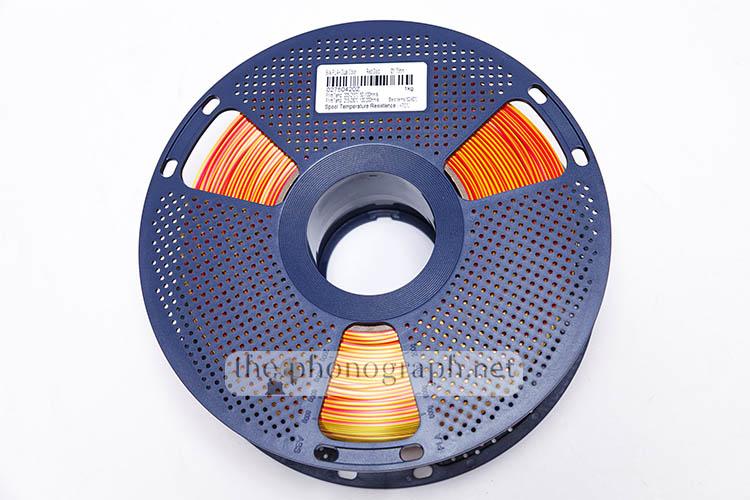
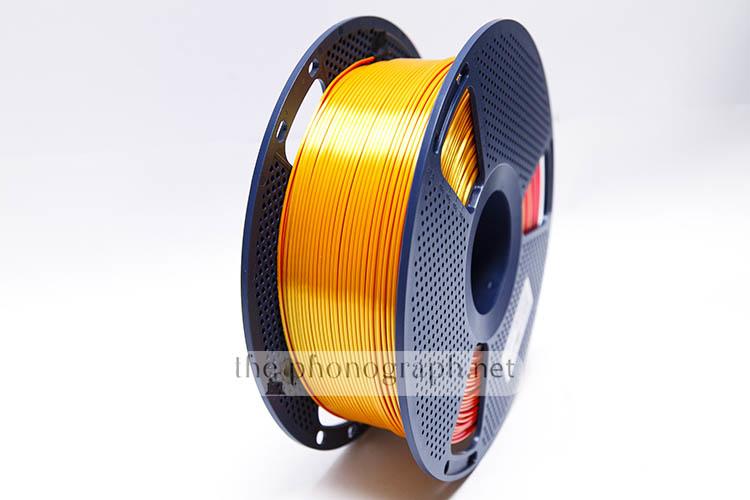
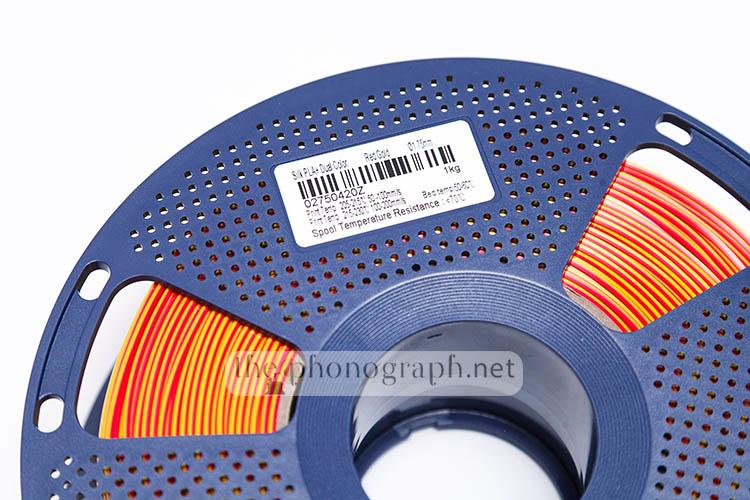
SUNLU has a plethora of PLA variants, colors and styles to choose from; this one is part of the multi-color filaments but with a silk-styled finish.
As the SUNLU Silk PLA+ Dual Color Red Gold is of PLA type, you can manage to print it with any 3D printer on the market, even if your printer is a decade old – check the parameters first: 205-235°C printing nozzle, 50-60°C bed and 50-200mm/s speed.
Also thanks to the PLA material you do not have to worry about fumes, strong odor nor highly health-compromising particles.
As you can see from our large vase print the filament will change color throughout your print and even a Benchy small print can show the multi-color and transitions. You can also appreciate that the filament has a much more shiny finish than the SUNLU Wood PLA filament – we used the same design for the SUNLU PLA+ Rainbow 03, SUNLU Real Wood Fiber PLA and SUNLU Silk PLA+ Tri-Color Blue Green Purple to offer you a simple and direct visual comparison of them.
All of the tests finished without any stringing, warping or adhesion issues and no glue was needed.
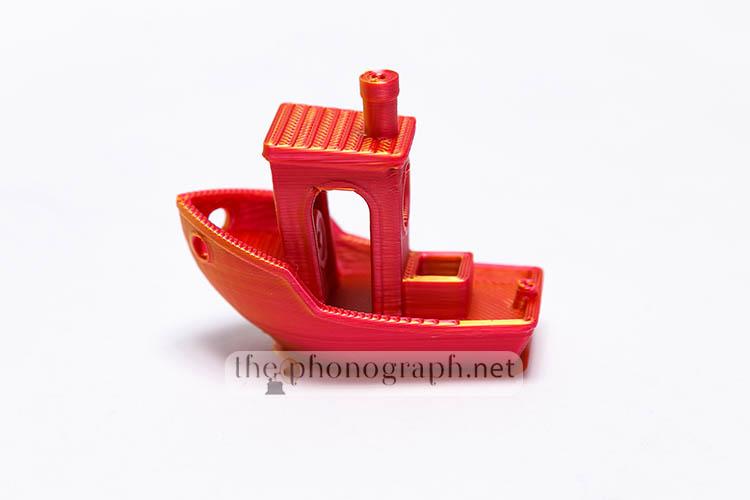
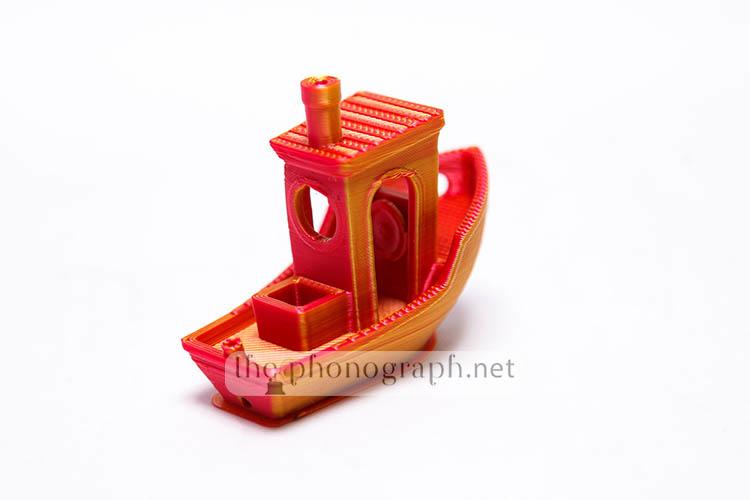
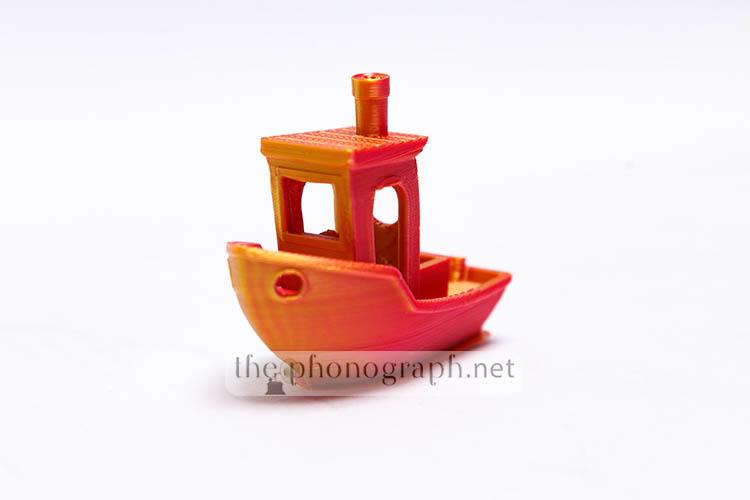
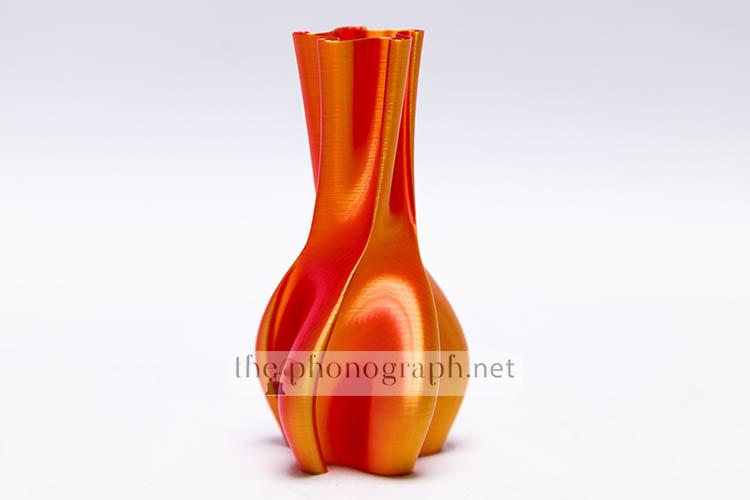
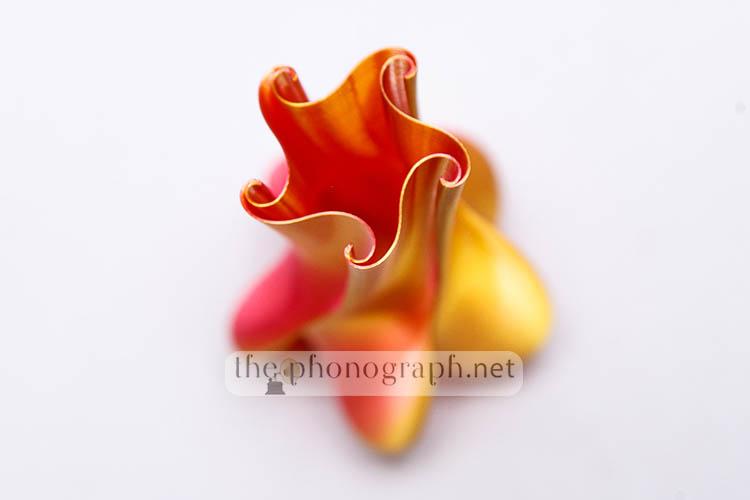
SUNLU Silk PLA+ Dual Color Red Gold
SUNLU Silk PLA+ Tri-Color Blue Green Purple
Type: PLA
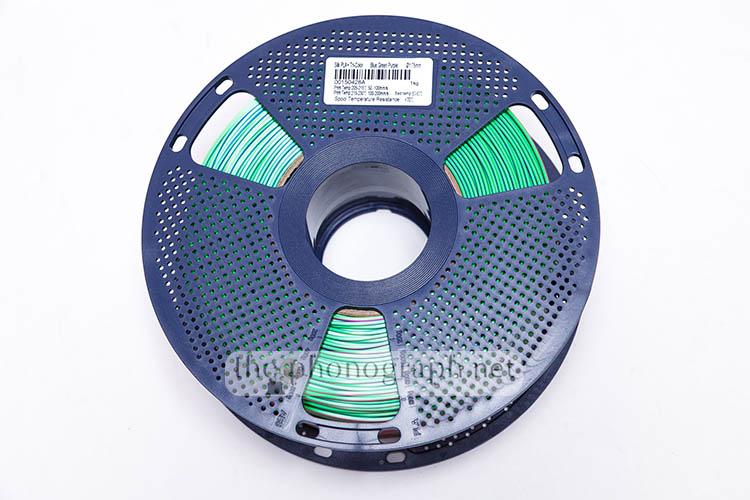
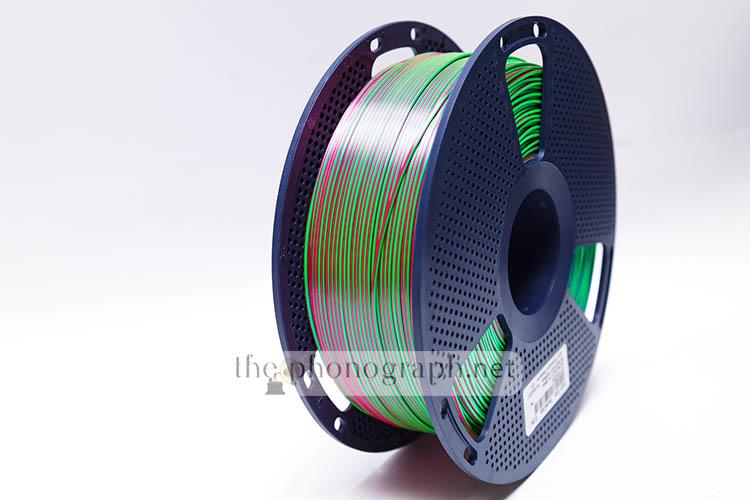
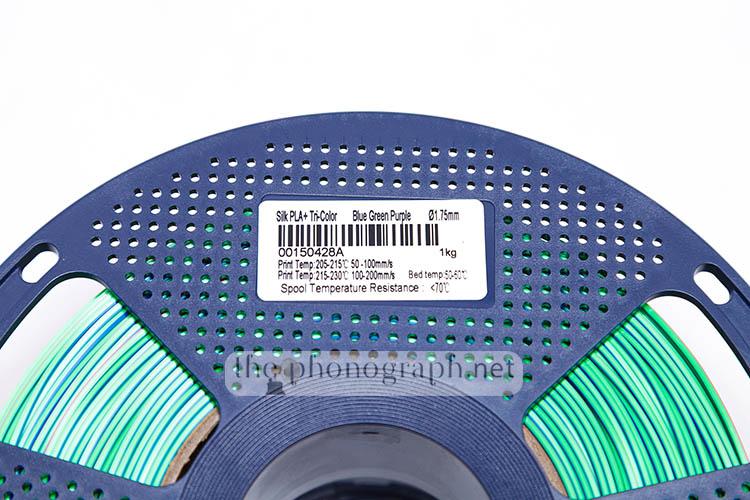
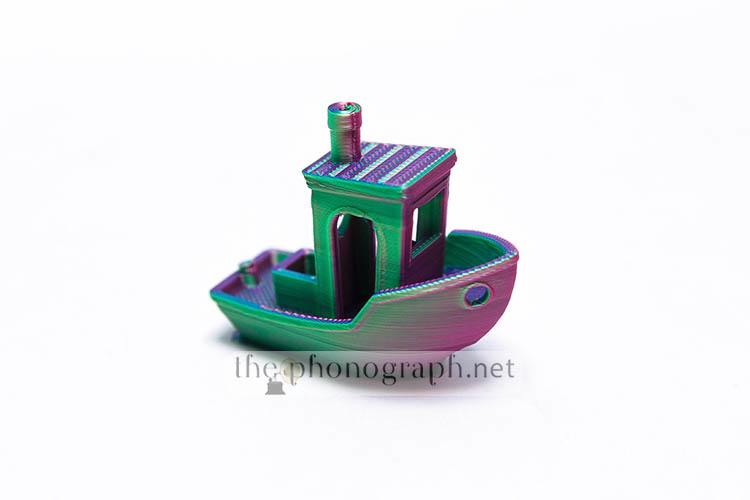
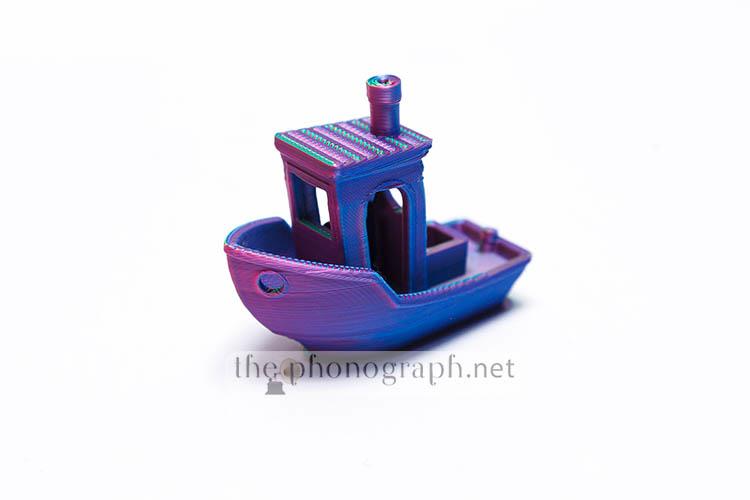
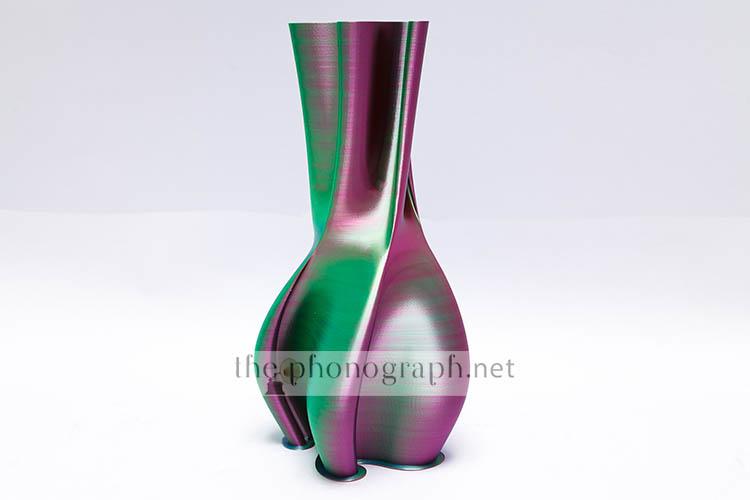
The SUNLU Silk PLA+ Tri-Color Blue Green Purple is a direct sibling of the SUNLU Silk PLA+ Dual Color Red Gold being part of the same series but offering 3 colors instead of 2.
From our test prints and mostly from the vase you can see the mesmerizing effect of this filament – in order to show you all the widely different colors and transitions we took 3 different photos rotating the same print.
The Benchy test print is another perfect example of the artful results that the SUNLU Silk PLA+ Tri-Color Blue Green Purple without needing a multi-color capable 3D printer.
On top of that, as the filament is made of PLA you can print it with all printers on the market with no complications nor having to invest in premium printers.
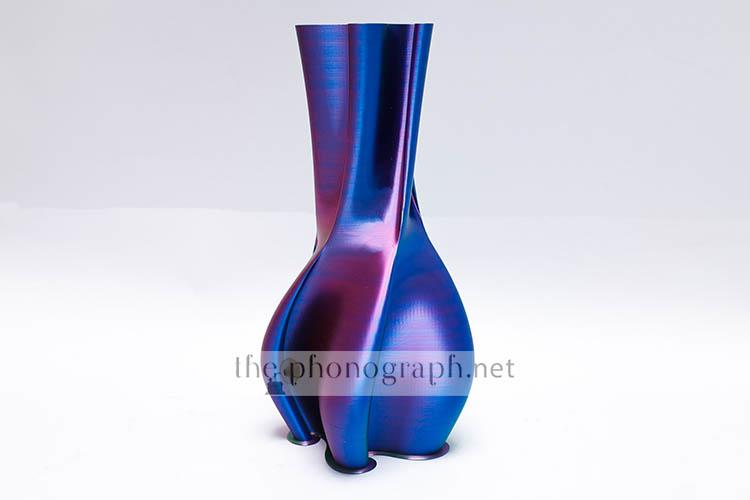
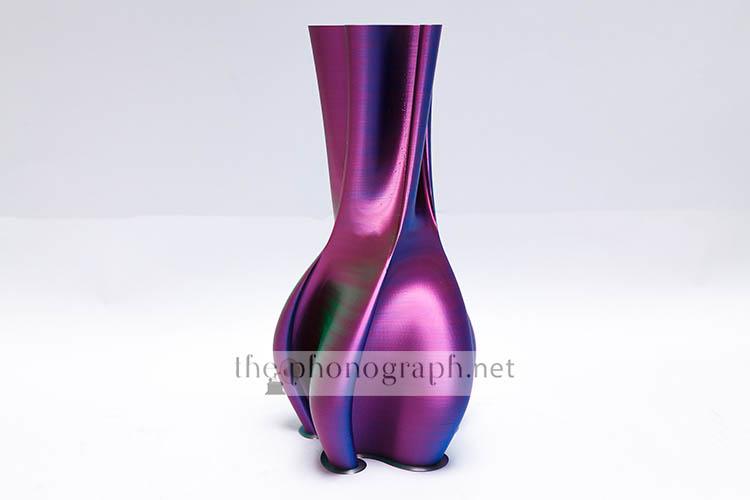
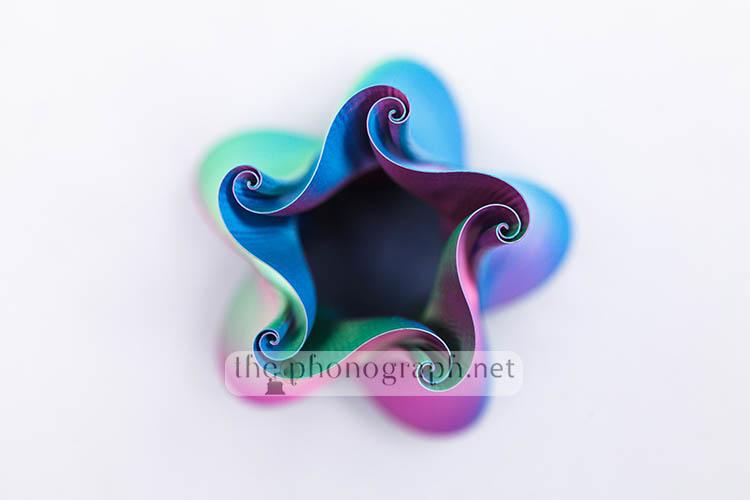
SUNLU Silk PLA+ Tri-Color Blue Green Purple
SUNLU PC-ABS Black
Type: Polycarbonate-ABS
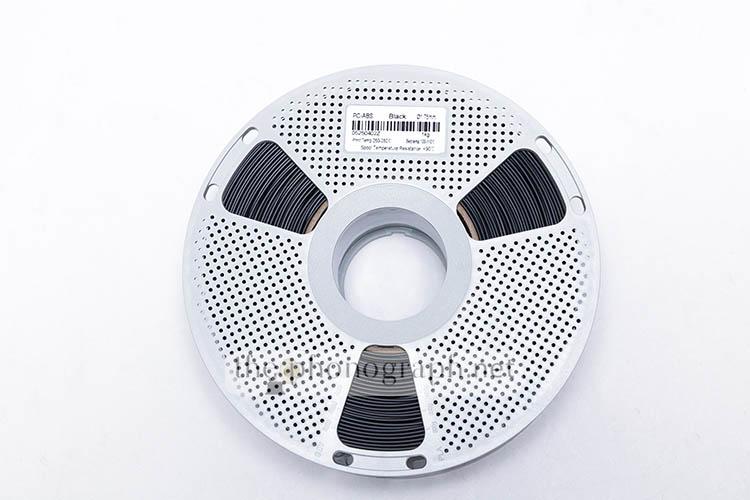
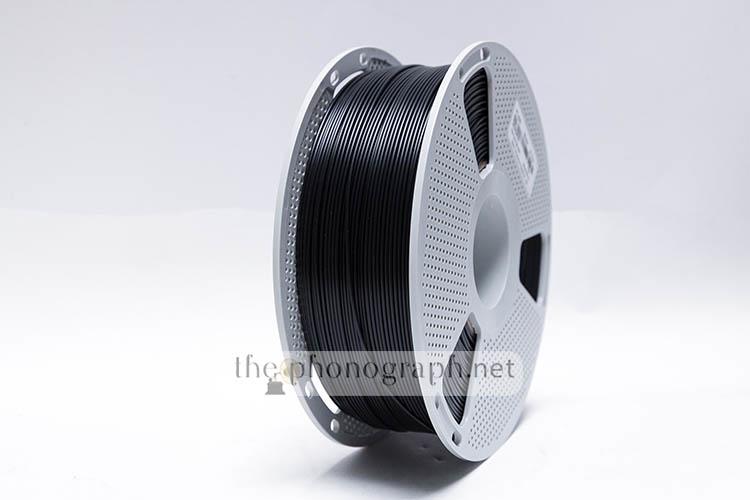
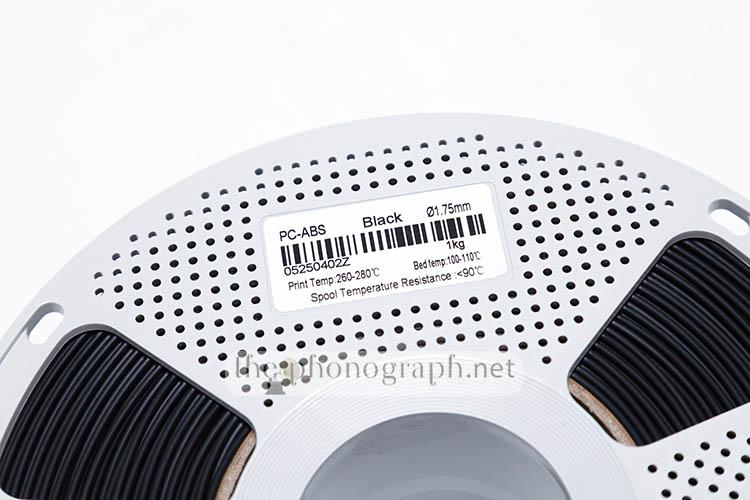
The SUNLU PC-ABS is part of the high-tier engineering filaments from the brand.
This filament enters the engineering class as it has much better strength, impact and heat resistant properties than classic filaments.
In fact, the filament can be rated as a mid-high heat resistant model (102°C); though not as high as nylon-carbon fiber and nylon-carbon glass filaments.
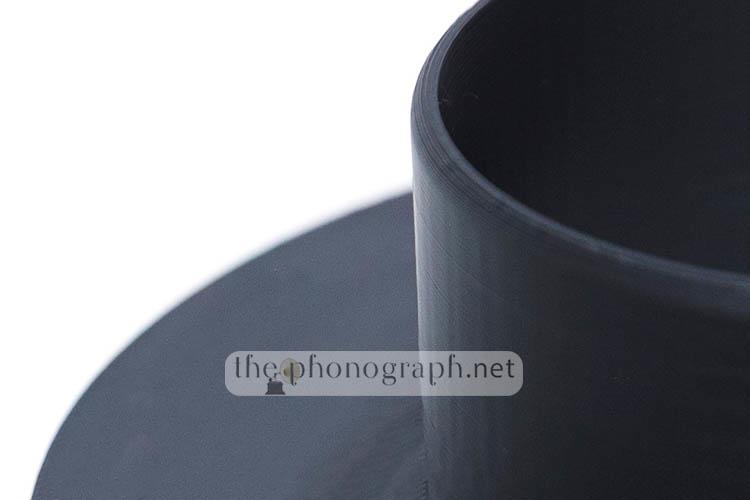
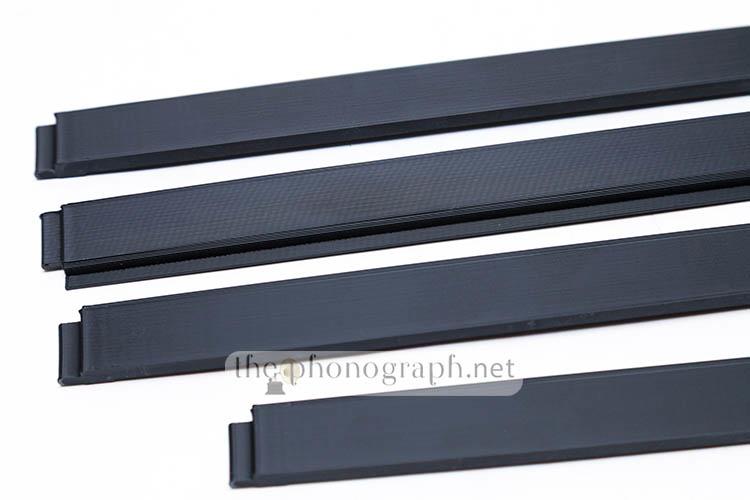
We were glad to see that the SUNLU PC-ABS produced highly-polished 3D prints with minimal visibility of layers and a much more “final-product” feel to them than a classic PLA print.
On top of that, the prints are easy to paint.
To be aware of:
Once you enter the engineering filaments class you start to need upper-tier printers and fully-enclosed models as the filaments are demanding to be printed correctly. Still, the benefits of these prints is incomparable with non-engineering filaments.
Some details to consider are that the filament needs glue to be printed as it is prone to warping while printing and can risk to crack, also pre-dehumidification with a dedicated dryer is needed.
Before jumping into this filament check if your printer meets that requirements of the filament, which are temperatures of 260°C to 280°C, bed temperature of 100°C to 110°C and enclosed chamber with temperatures of 90°C to 100°C – speeds can be set between 50-230mm/s.
For its more durable and heat resistant characteristics we decided to do some print tests that could benefit from these specs.
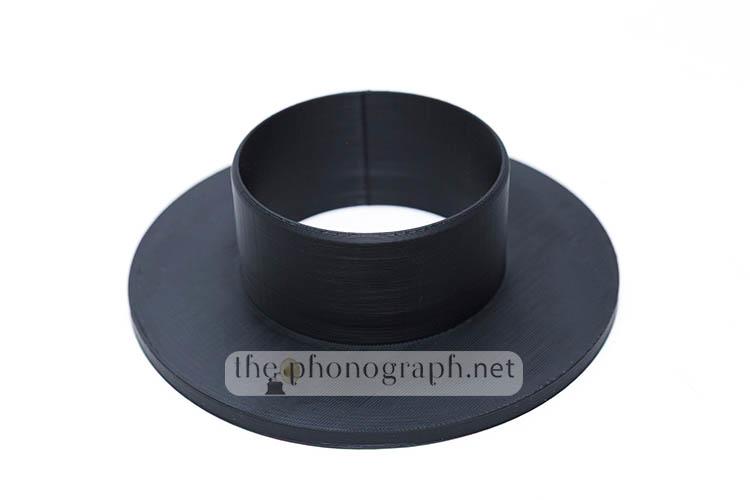
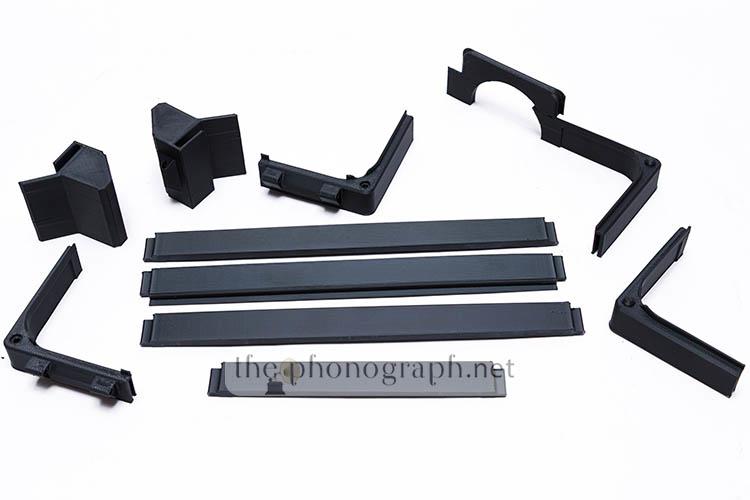
The first print was a custom design for an exhaust vent adapter made for a Creality K2 Pro Combo 3D printer to ensure longer durability and resistance to the high temperature of the back panel.
The second print was a full multi-piece design for modding the top lid of a Creality K1C Core-XY printer, including a hinges system – once again to support the printer’s temperatures and abuse.
From the close-up detail photos you can see how smooth and nice the finish of the SUNLU PC-ABS are.
SUNLU PC-ABS Black
SUNLU TPU-Silk Cream White
Type: 98A TPU
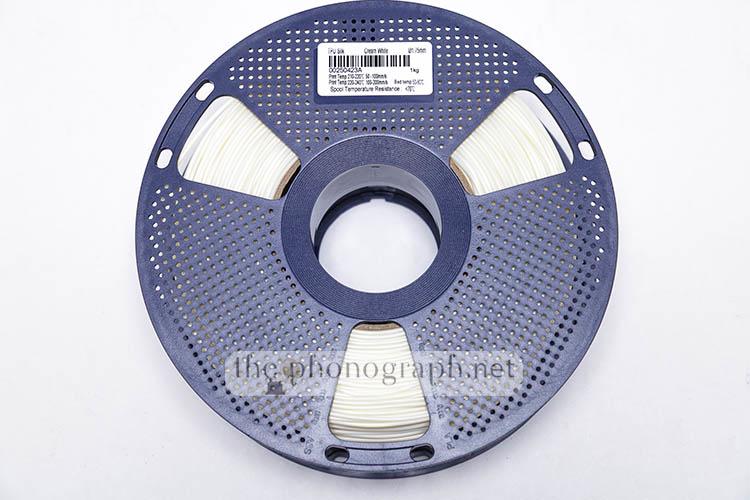
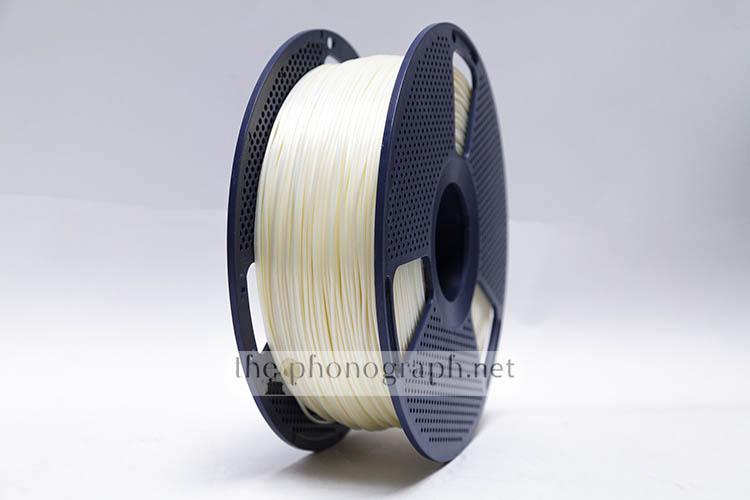
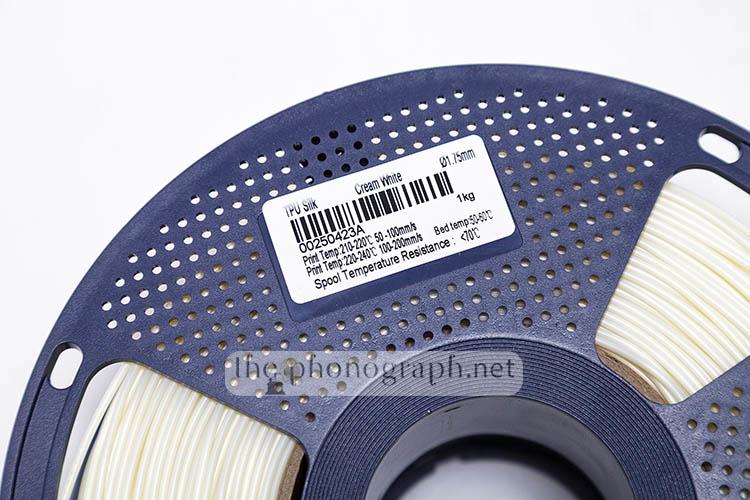
The SUNLU TPU-Silk is another filament that can be considered a more niche type but we consider it to be a wonderful type of filament from SUNLU that should be part of every 3D enthusiast’s arsenal as the functionality of the prints done with this filament are impossible to be achieved by any non-TPU filament.
In addition to this, the SUNLU TPU-Silk was easy to print while also showing clean prints with low visibility of the layers and excellent proprieties for being an impact-resistant filament.
If your printer can cover temperatures of 180°C to 240°C (bed 50°C-60°C) and speeds from 50-200mm/s; then you will be ok.
To be aware of:
Printing this SUNLU TPU-Silk filament was not particularly demanding nor difficult but you need to know that as any flexible and TPU filament, your slicing specs might be much different from what you are used to on standard PLA prints.
If you overdo it, the prints will be too rigid and if you underdo it, the prints might not tolerate too much flexibility before breaking. Do notice, though, that this specific type of TPU filament has a 98A grade which means that it less flexible than a 95A TPU but it easier to print and more resistant to impact.
Also worth mentioning that the filament has a mid-level of fumes/odor generation while printing.
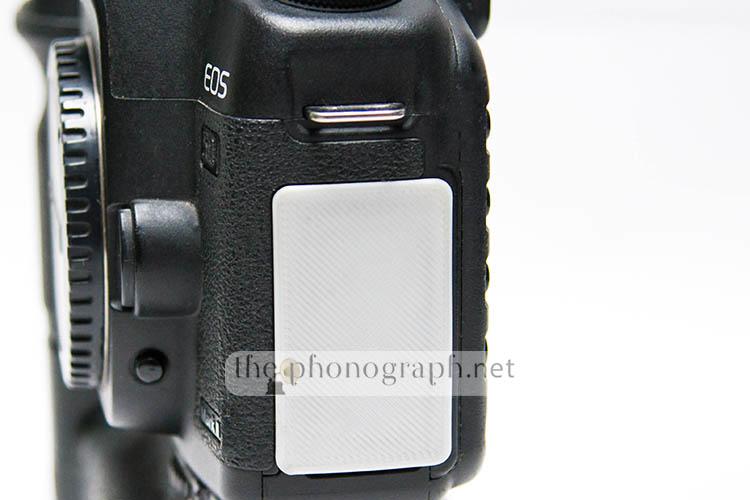
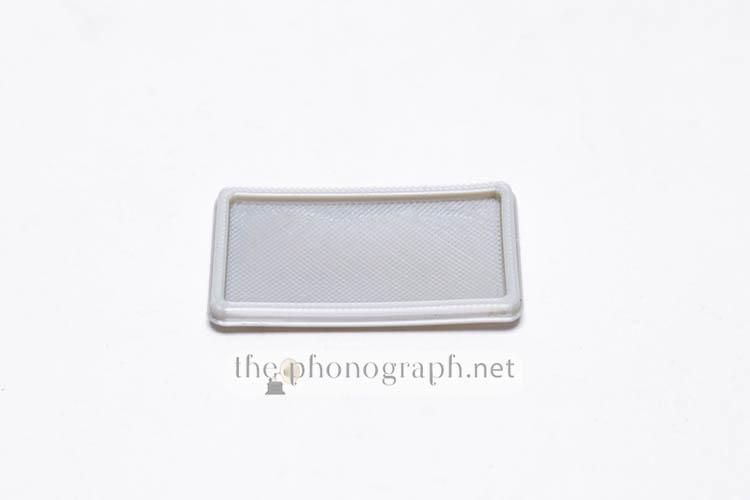
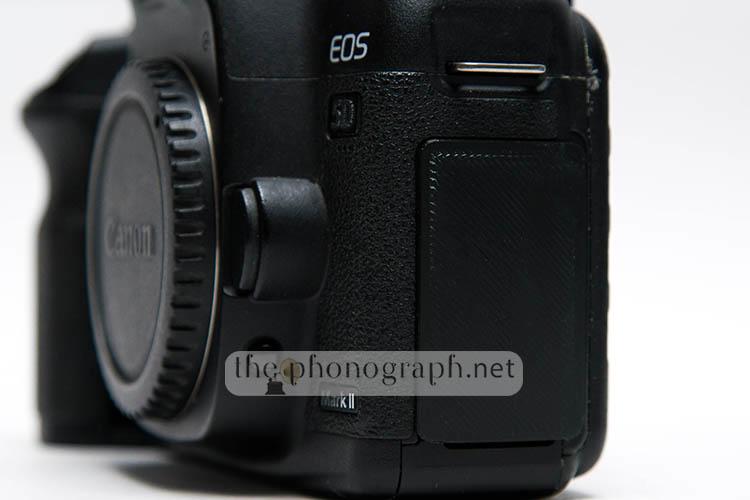
We printed a replacement cover for the connectors of a professional Canon camera. Of course, it looks a bit weird being white instead of black colored but this was the TPU color that we had; the silk finish, though makes it look better quality than a standard TPU finish – print time 11 minutes.
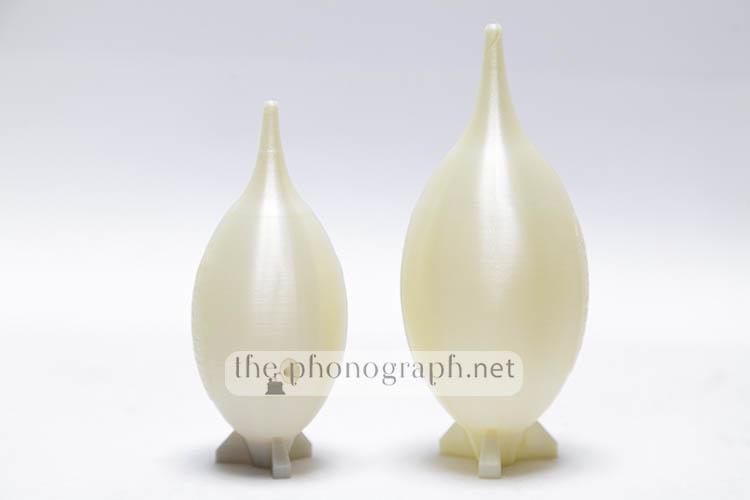
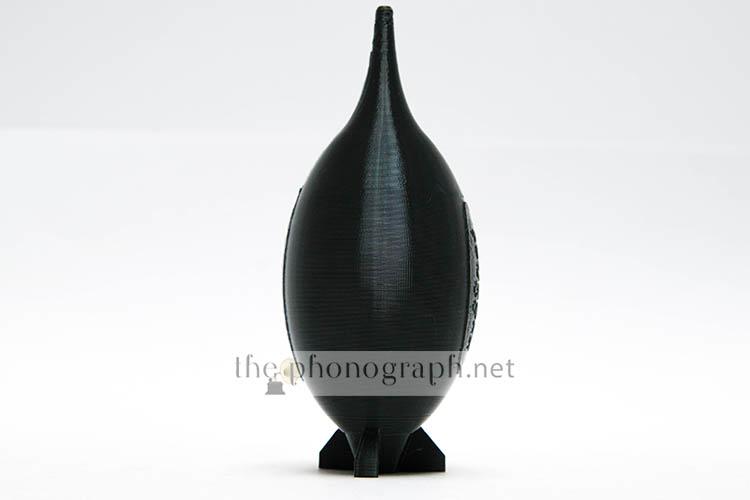
Next we printed 2 different sizes of a flexible TPU dust blower, which has more complex shapes but was printed flawlessly in just 1:04 hours for the small model and 1:40 hours for the 20% bigger one.
All prints were done at speeds of 250mm/s and 230°C.
SUNLU TPU-Silk Cream White
SUNLU ABS-FR
Type: ABS-Fire Retardant
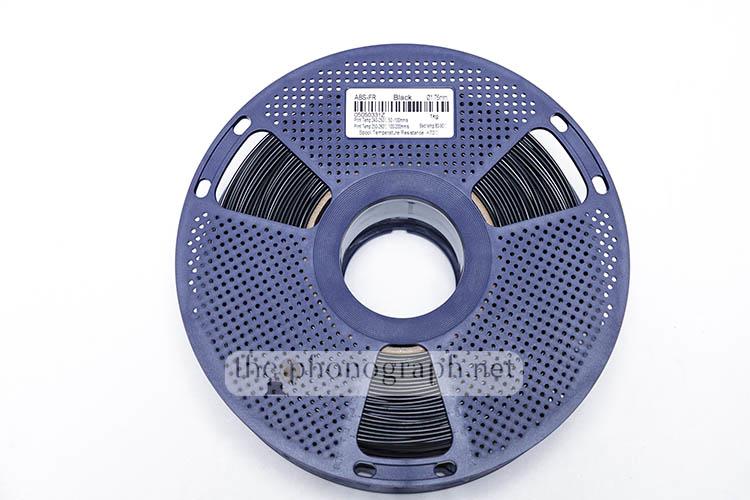
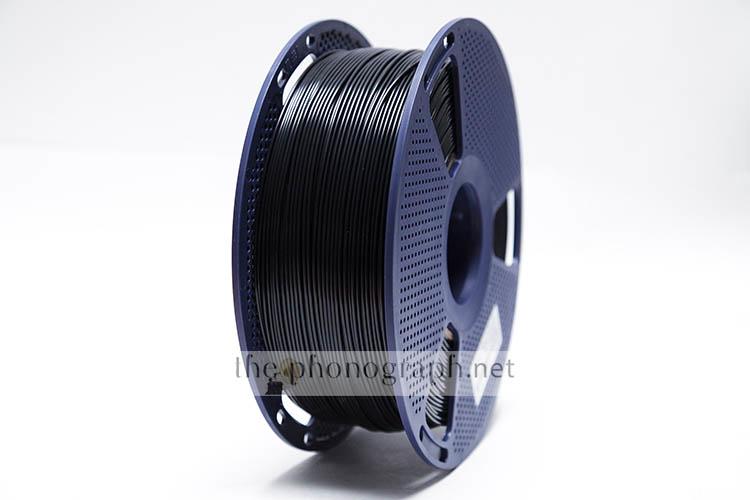
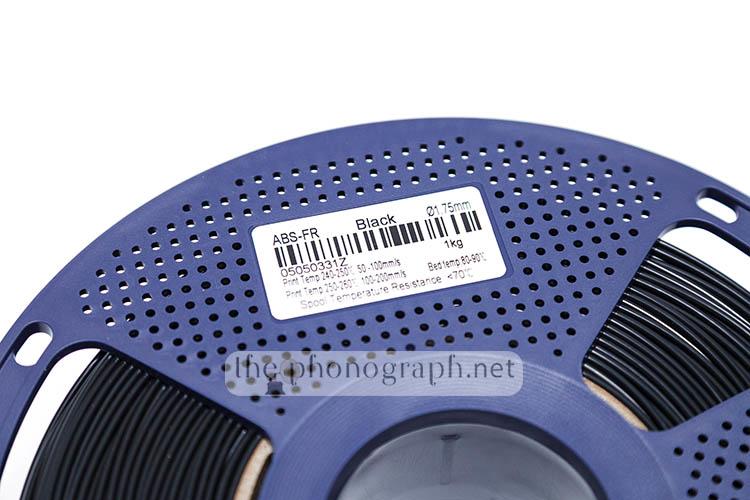
The filament is made of ABS but it differs from others by an unique fire-retardant property. And this was not just a marketing statement by the brand. In fact, we were amazed by the true fire-retardant capabilities of this filament when we put it under direct flames and seeing that the filament did not catch fire and extinguished the flames in its surface immediately – some brief fumes were generated.
Apart from the flame-retardant nature, the SUNLU ABS-FR is also a highly capable filament for impact resistant applications while conserving the typical smooth and clean print finish of ABS filaments.
To be aware of:
This is a specialty, high-tier filament with printing requirements inline with all engineering filaments. This means that you cannot simply buy this filament and throw it in your ultra-budget 3D printer as you will not be able to meet the requisites, thus being unable to print with it.
The SUNLU ABS-FR is recommended to be handled by nozzle temperatures that range between 240°C and 260°C while keeping the printing speeds ideally around 50mm/s to 100mm/s. The bed temperatures are among the highest of all other filaments from the brand, needing a bed set to 80°C to 100°C.
Among all the filaments tested, the ABS-FR was the one that produced the highest volume of fumes; if you have a dedicated printer fume extractor and filtering system, we highly recommend that you use it with this filament.
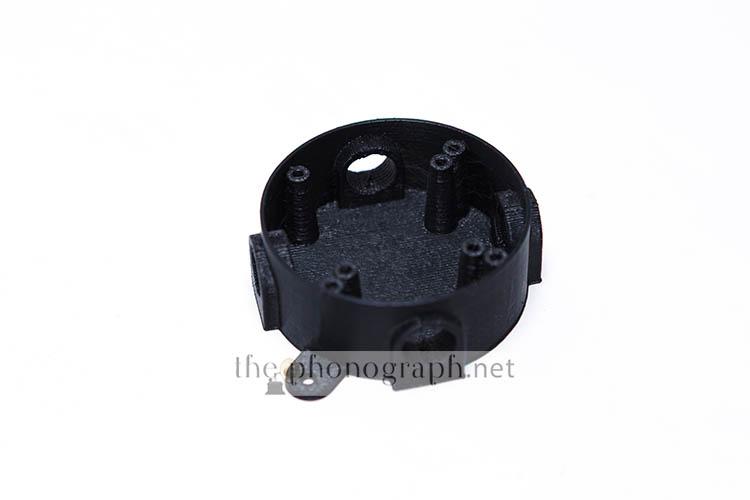
The filament seemed a no-brainer to be used with designs that were related to electrical outlets and safety. Therefore we proceeded to do a couple of print tests that involved an electrical junction box, dust covers for Schuko outlets, caps for type C electrical plugs and finally an outlet cover with a built-in shelf.
The wall outlet face in the photo is upside down, where the bottom sitting flat side is intended to be top “shelf” for the power outlets – thus you can place your phone or any other device that you prefer.
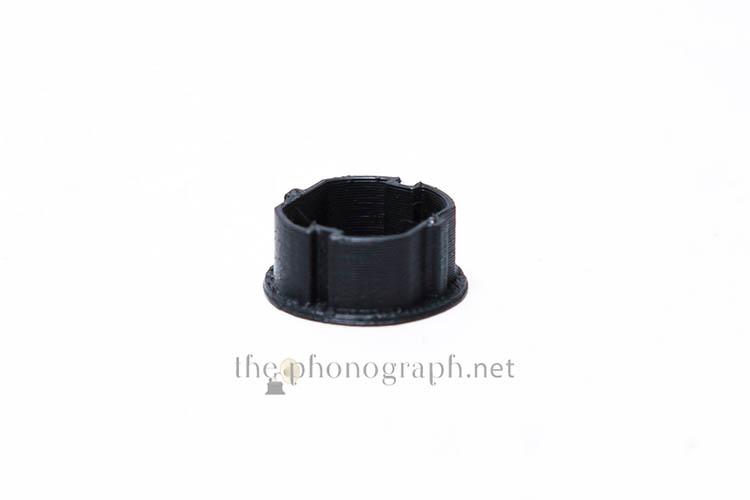
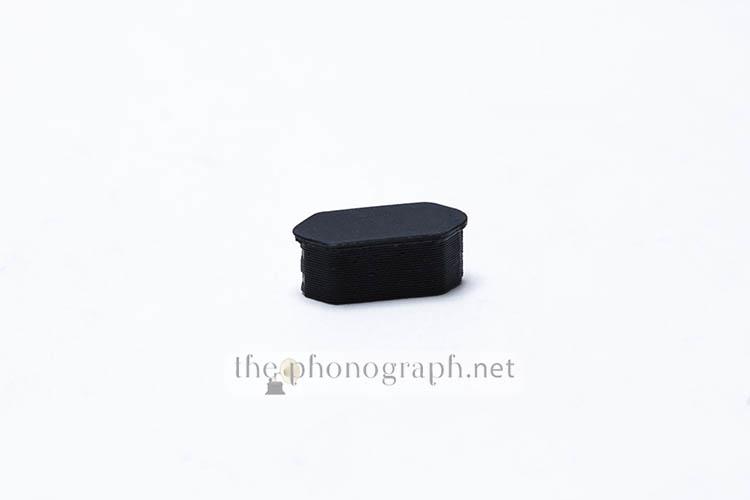
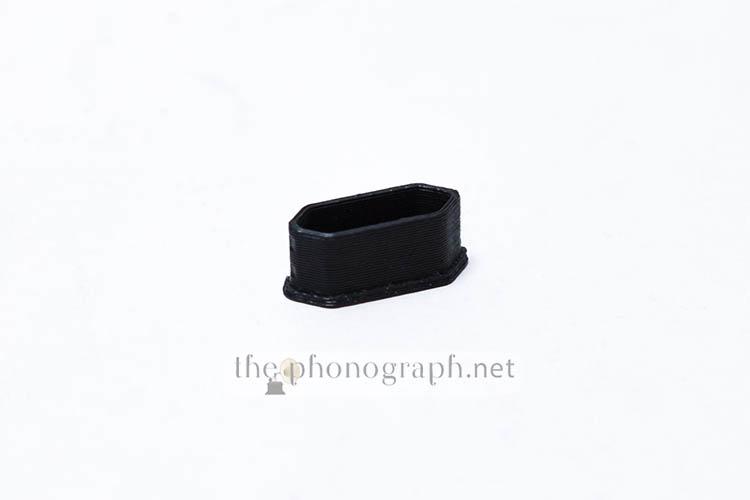
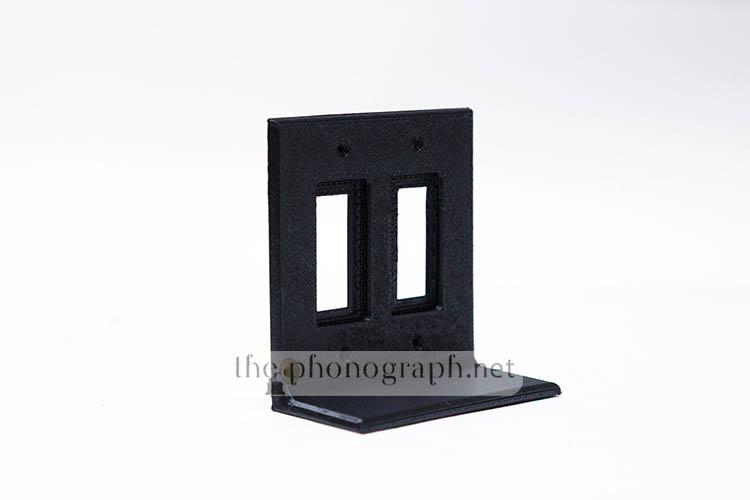
SUNLU ABS-FR
SUNLU TPU-Black
Type: 95A TPU
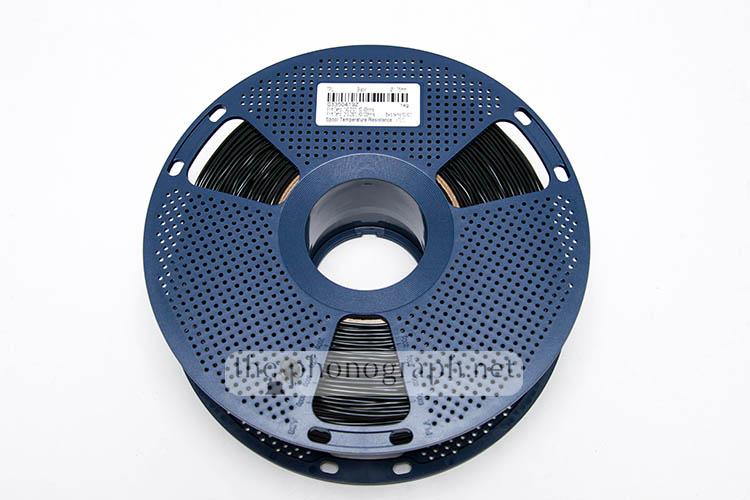
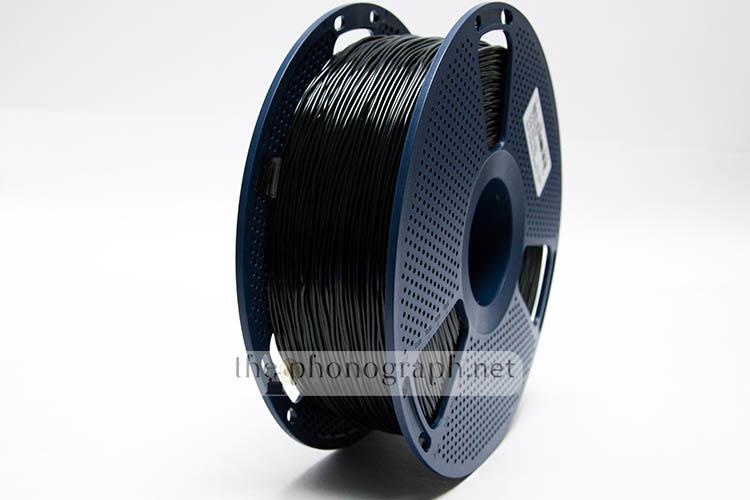
The SUNLU TPU-Black was much better for prints with dynamic flexible movement than the TPU Silk, as its 95A grade makes it way more flexible.
This 95A TPU filament was a wiser choice for some of the same TPU prints done with TPU Silk. For example, the dust blower was more tolerant to be squeezed without risking to crack.
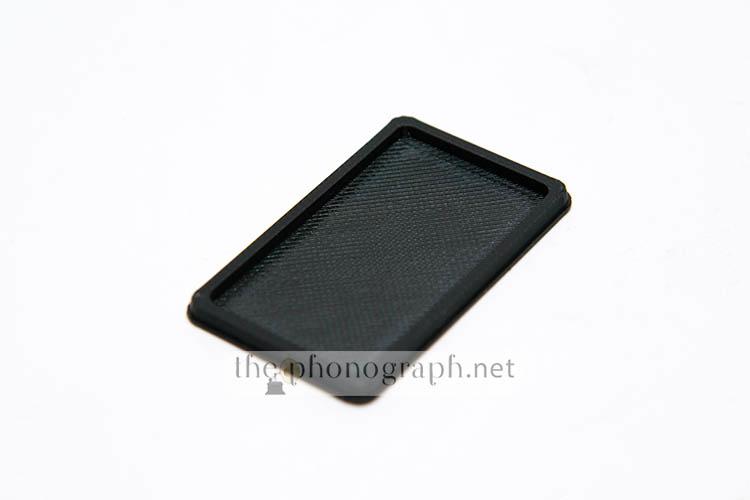
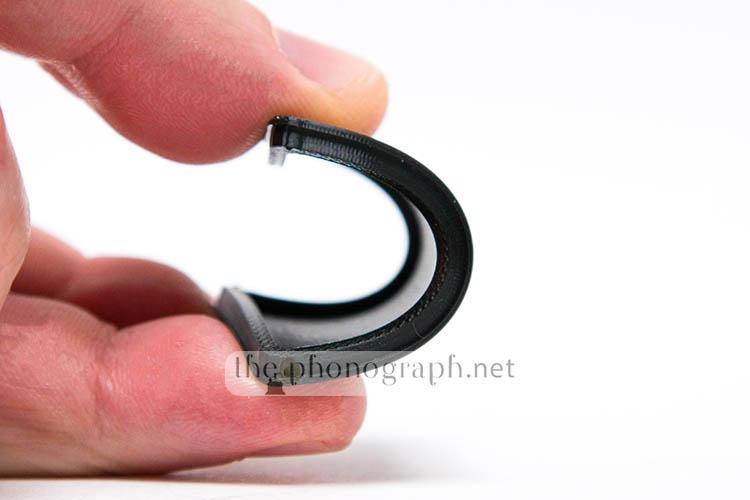
The re-printed model of the ports cover of a Canon camera now blends in much better (compared with the white print test) with the black color of the camera’s body, almost seemingly as if it was the original piece from factory.
If you are wondering about its flexibility capabilities, you can see from our photos below how easily we could bend the black camera cover print.
In theory, this filament variant is a bit more complex to print but we had zero issues and no single fail print attempt.
Te recommended parameters for this filament are nozzle temp. between 210°C to 230°C, a bed temp. from 50°C to 60°C and print speeds from 80mm/s to 120mm/s.
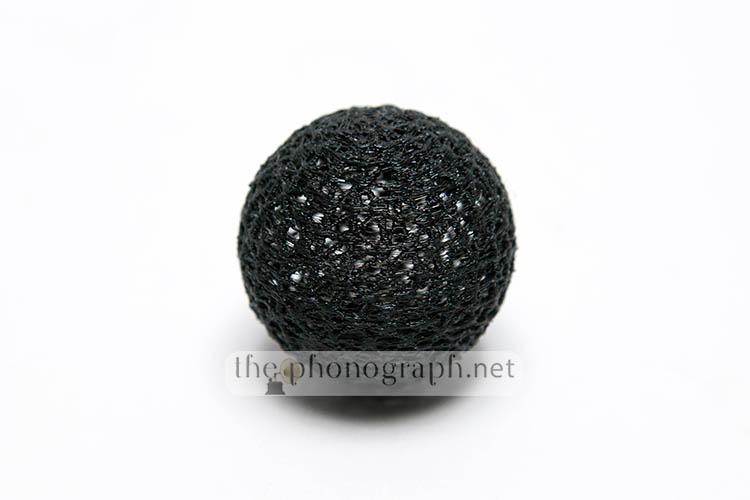
The 3rd print test was an airless ball as it seemed a fun project to test out the characteristics of this filament; fine-tuning the slicing settings you could achieve a less or more bouncy airless ball print.
SUNLU TPU-Black
SUNLU PLA Glow in the Dark White-Green
Type: PLA
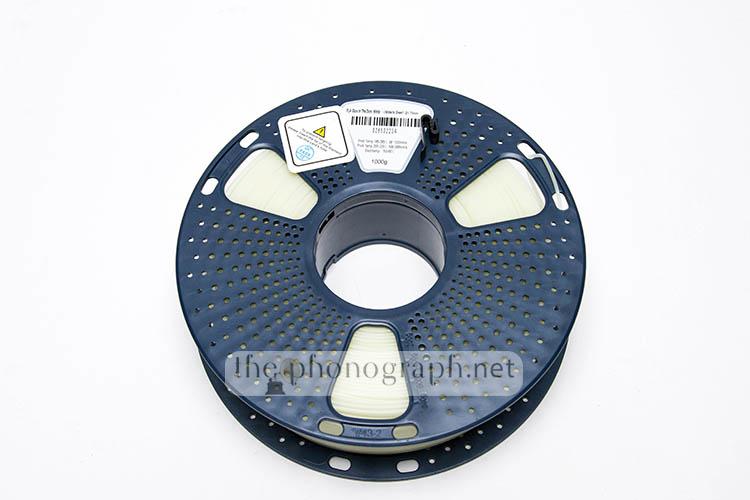
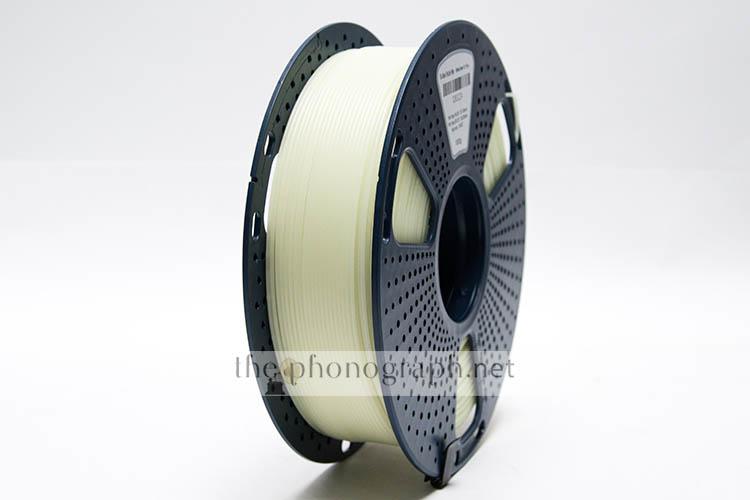
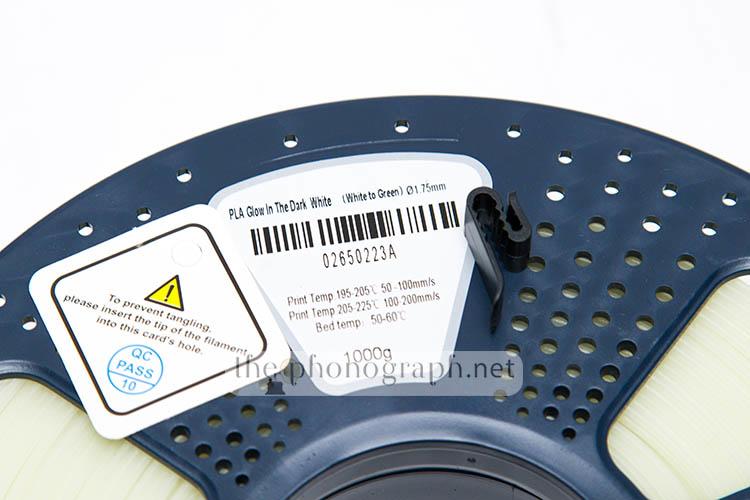
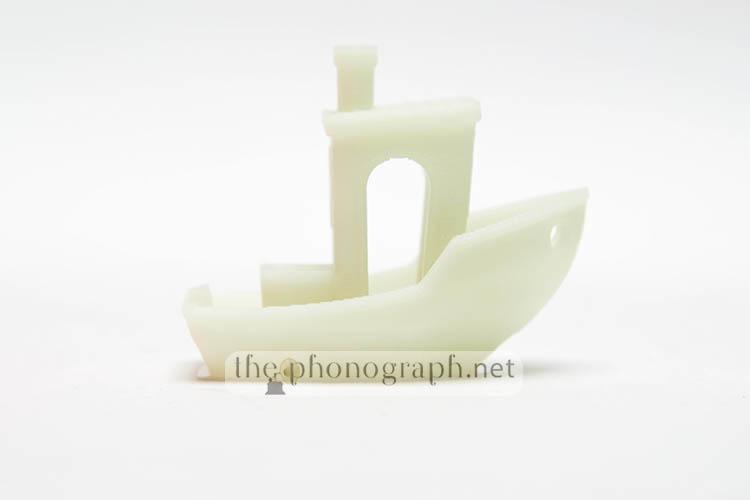
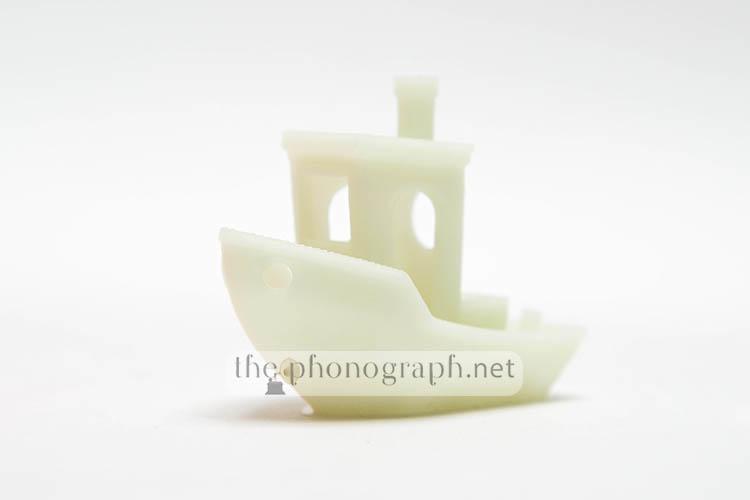
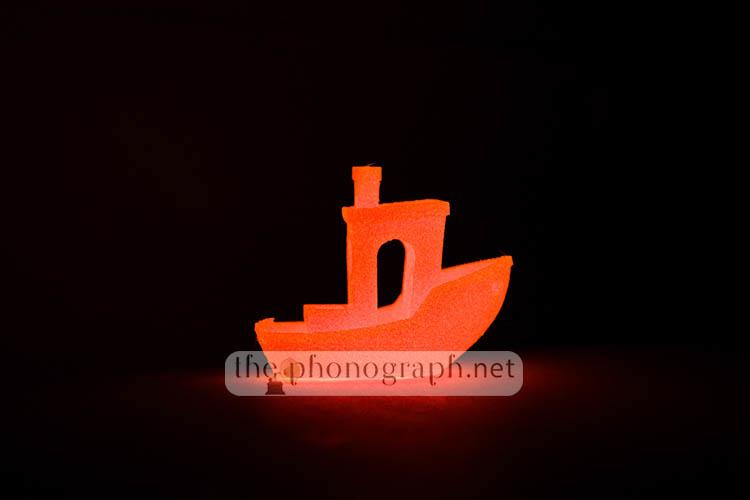
To be honest we were afraid that the prints with the SUNLU PLA Glow in the Dark White-Green could either come out tacky or be a gimmick but we found that the glowing effect was truly noticeable (you can see it yourself from our photos below) and the feature could be useful for some practical uses such as dark indicators like light switches or even as travel accessories.
In fact, part of the print tests that we did with the SUNLU PLA Glow in the Dark White-Green included a carrying case for SIM cards, which can help to avoid losing it or forgetting it at your hotel while checking out – as you will see it glowing in the dark.
As with all glowing materials, the prints with this filament will glow at dark if they were exposed to light sources, the longer and more intense the light source the stronger and longer lasting the glow effect will be – the strongest and longer lasting “recharge” is obtained when exposed to UV lights.
To be aware of:
We noticed that we could not push the speeds as much as with usually do with other PLA filaments.
Still being a PLA filament, the overall printer requirement demand were very basic and nearly any 3D printer can handle this filament. Specifically, the SUNLU PLA Glow in the Dark White-Green needs a printer able to manage nozzle temperatures between 195°C to 2225°C (bed 50°C to 60°C) and to keep things safe you can use print speeds of 50mm/s to 200mm/s – we used more than that speed and we got very good results.
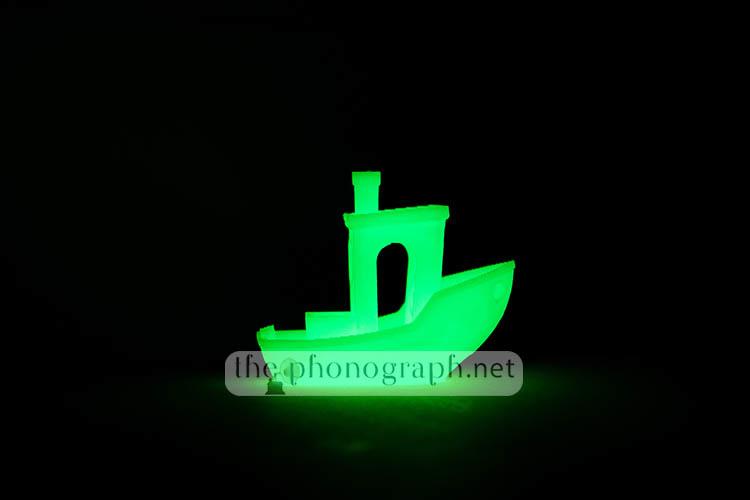
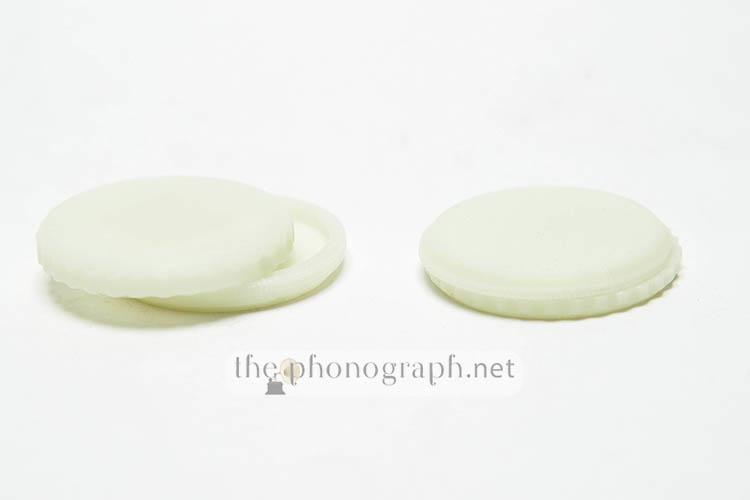
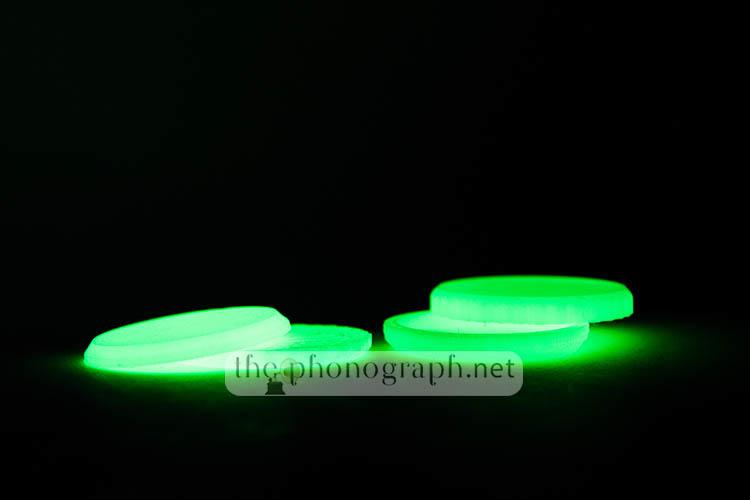
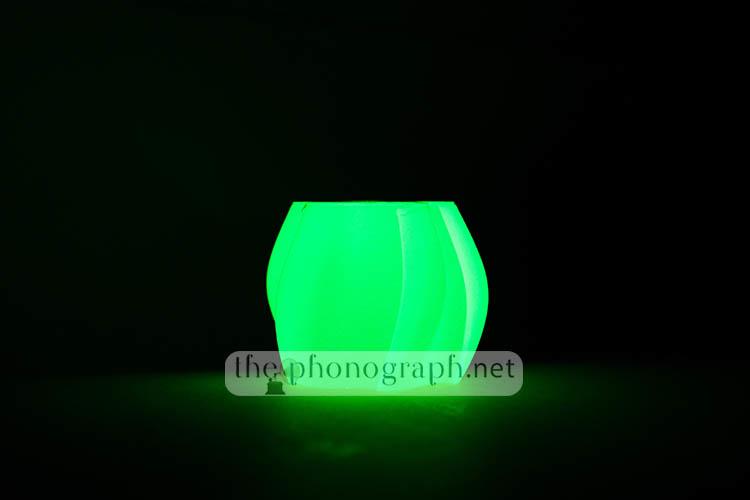
SUNLU PLA Glow in the Dark White-Green
SUNLU PETG Glow in the Dark Red
Type: PETG
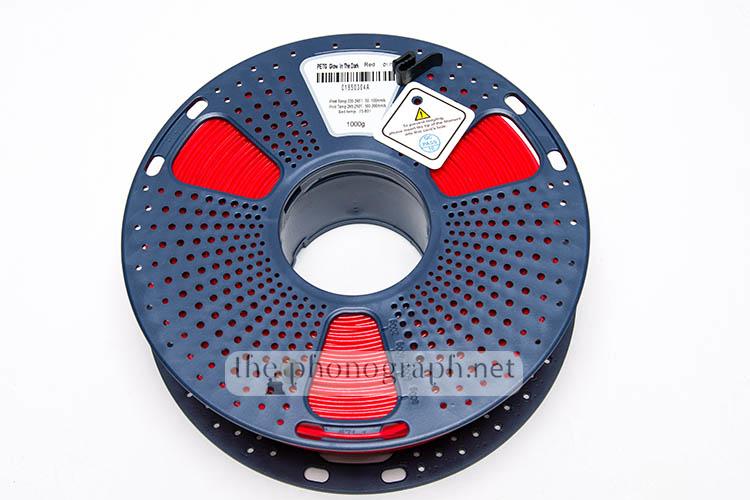
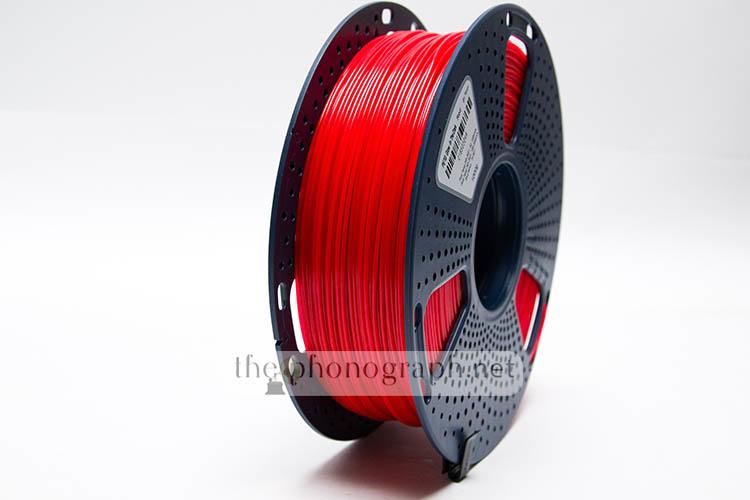
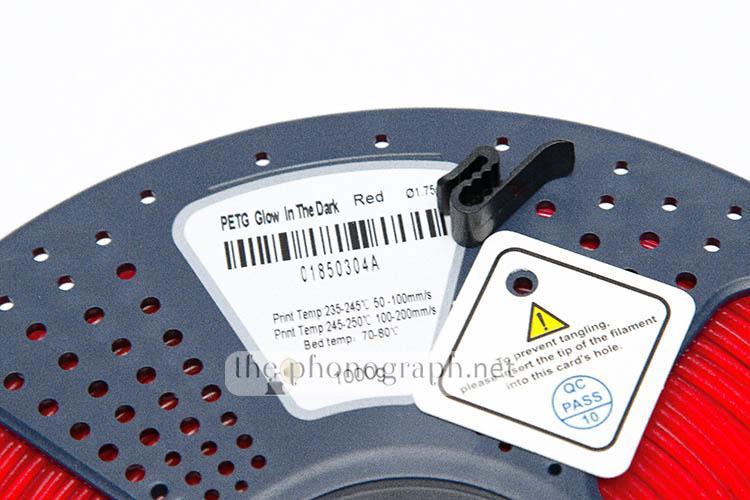
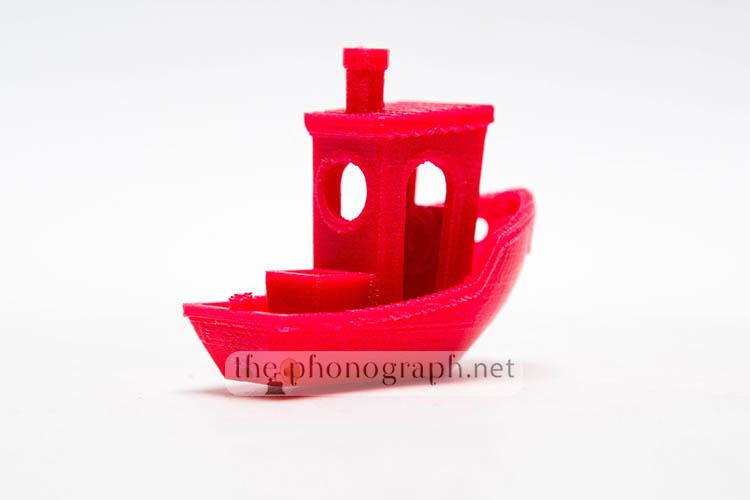
A welcomed surprise was that we had a higher success rate printing the SUNLU PETG Glow in the Dark Red than the with the SUNLU PLA Glow in the Dark White-Green, despite the fact that PETG is a more complex filament type than PLA.
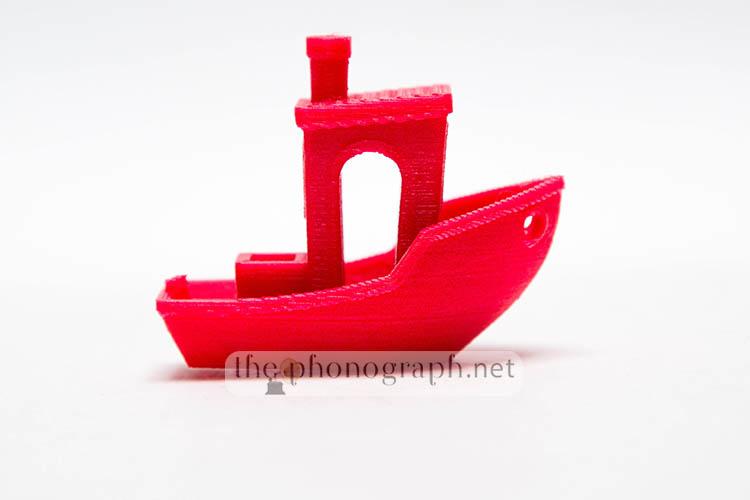
As part of the print tests for this PETG filaments, we printed a travel-friendly SD and MicroSD card case which was a further smart accessory to have when traveling and being able to spot it in the dark while the more durable and impact resistant properties of the PETG material (over PLA) was a good choice to grant durability while carrying around outdoors and avoid to easily break if dropped.
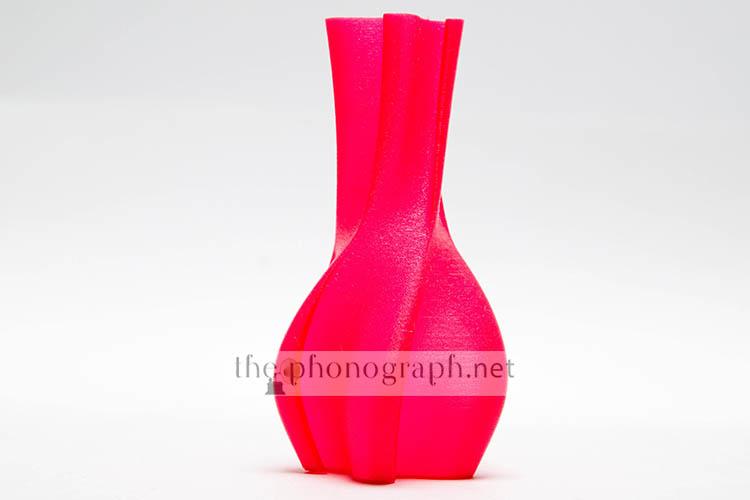
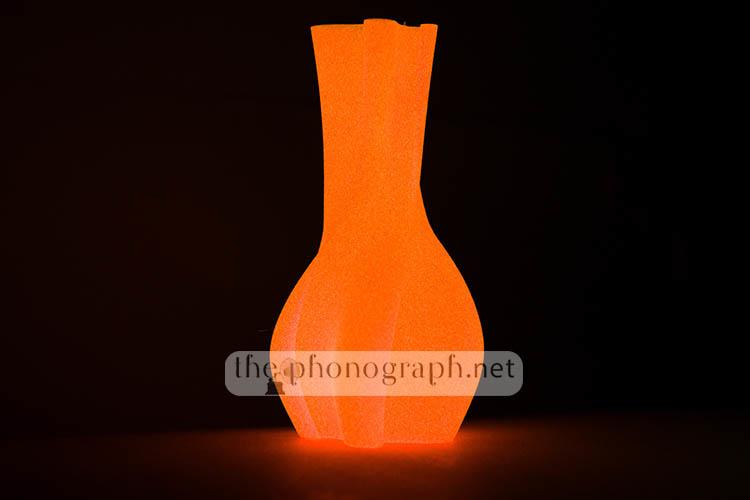
From this print test and all the other examples of the prints that we did, you can appreciate the special red glowing effect that you can obtain.
To be aware of:
Being of PETG type, the filament has higher parameter requirements regarding temperatures so be sure that you printer meets the needs – 235°C to 250°C, bed 70°C to 80°C and print speed of 50mm/s to 200mm/s.
Another detail that we find worth highlighting is that the prints with the SUNLU PETG Glow in the Dark Red required a stronger light source and longer exposure times in order to get significant glowing effects at dark – even more if compared with the SUNLU PLA Glow in the Dark White-Green. Same as with the PLA glow, Sun and UV light are the best to “charge” the phosphorescent powder in the filament.
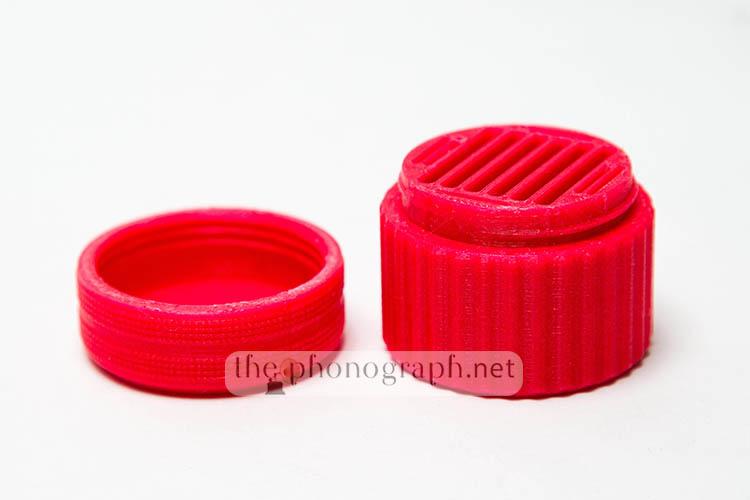
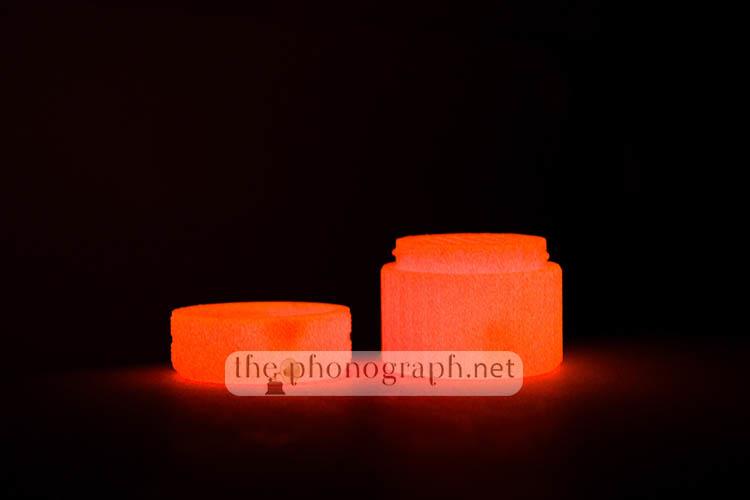
SUNLU PETG Glow in the Dark Red
SUNLU PLA Twinkling Blue
Type: PLA
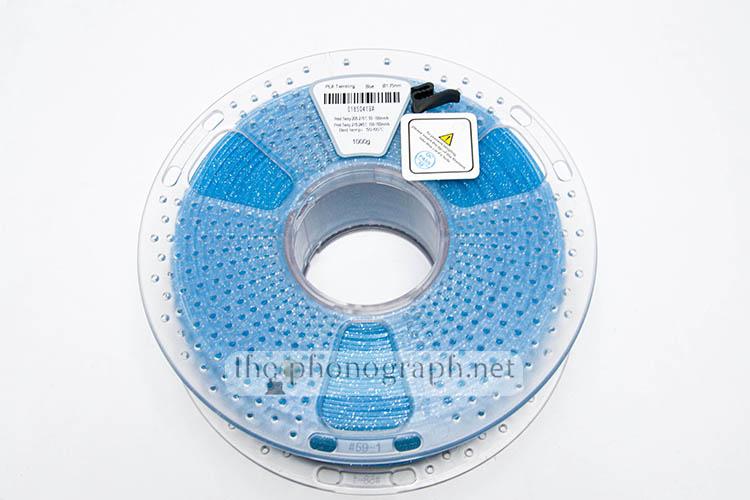
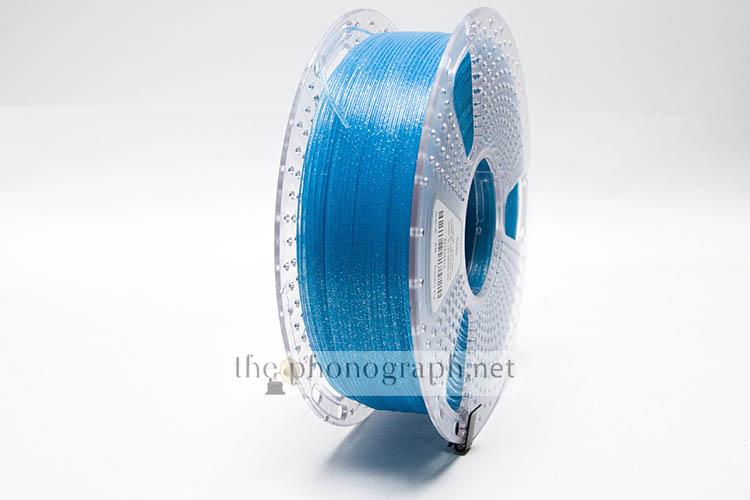
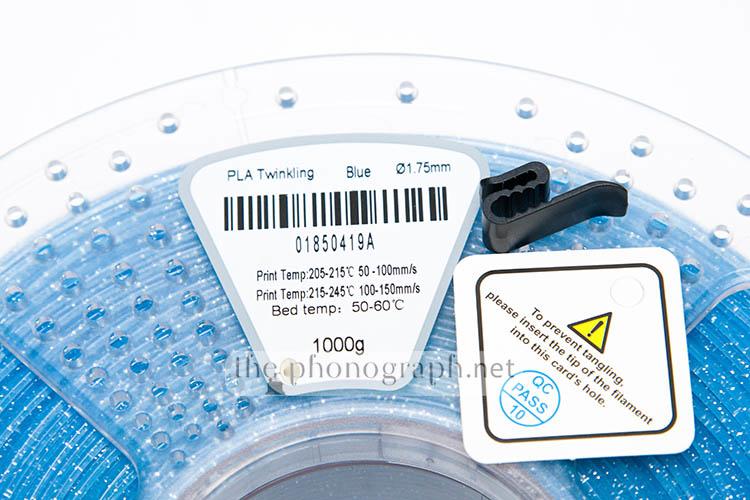
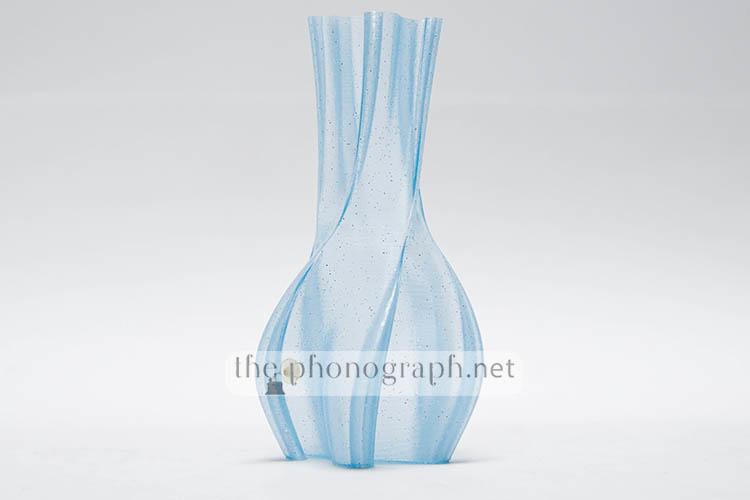
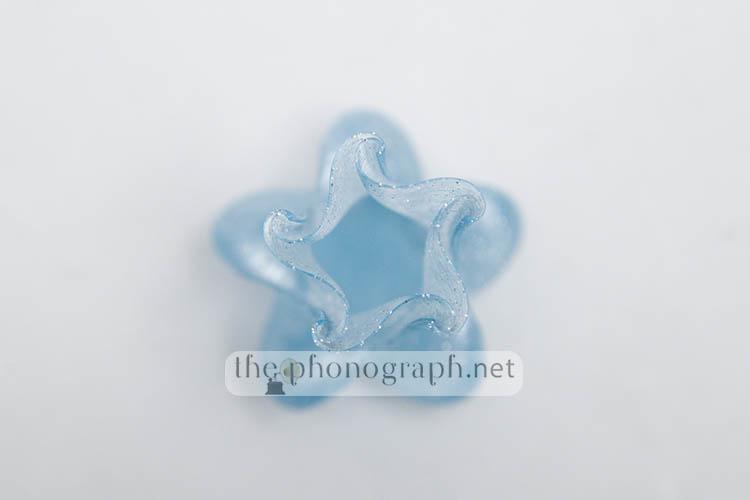
To be honest, this filament is gorgeous and as you can see from our photo of the vase, you can even get a semi-translucid effect if you print with minimal walls.
We could say that the unique aesthetics of the vase printed with the SUNLU PLA Twinkling Blue sits among our favorites.
For the joy of 3D enthusiasts, this filament is as easy and trouble-free to print as nearly any other standard PLA filament; requiring speeds of 50mm/s to 200mm/s, bed temperature of 50°C to 60°C and nozzle temp. from 205°C to 245°C – all ranges that most (if not all) 3D printers can achieve without issue.
As a standardized test we printed a Benchy and the big-sized vase so you can compare it directly with all the other filaments that we have reviewed in this article.
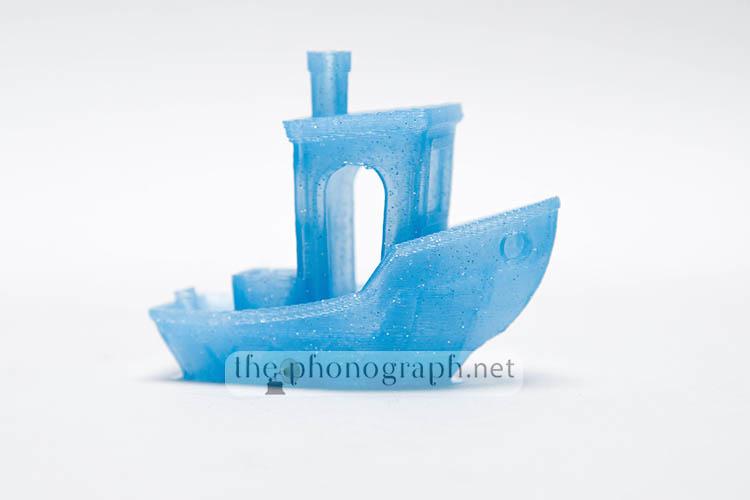
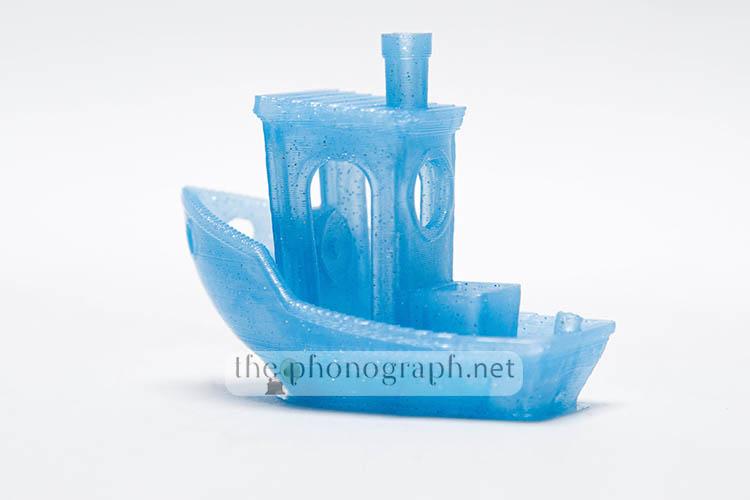
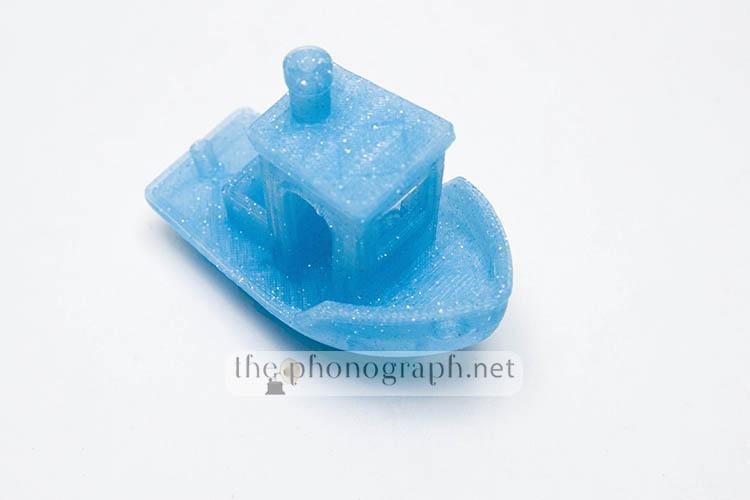
SUNLU PLA Twinkling Blue
SUNLU PLA Galaxy Starlit Flow
Type: PLA
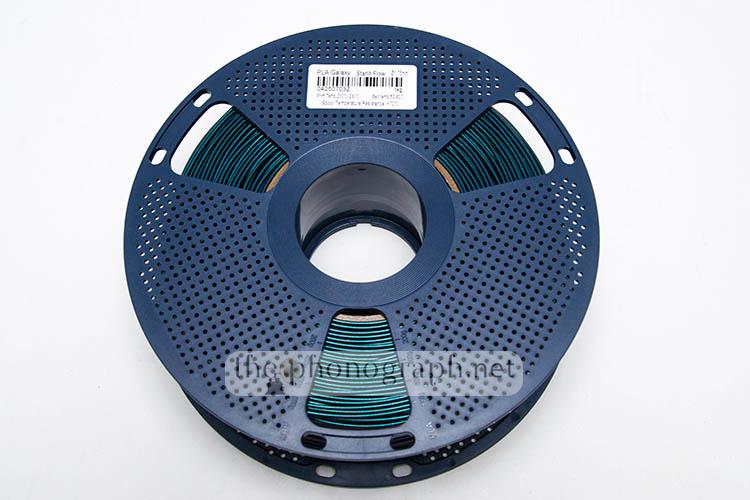
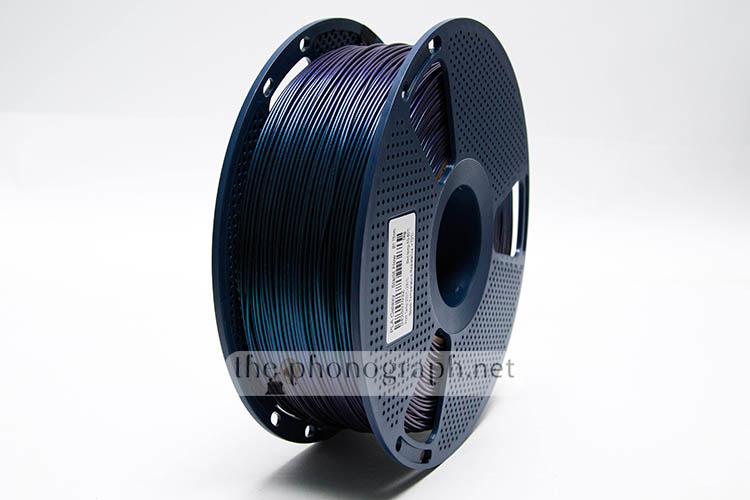
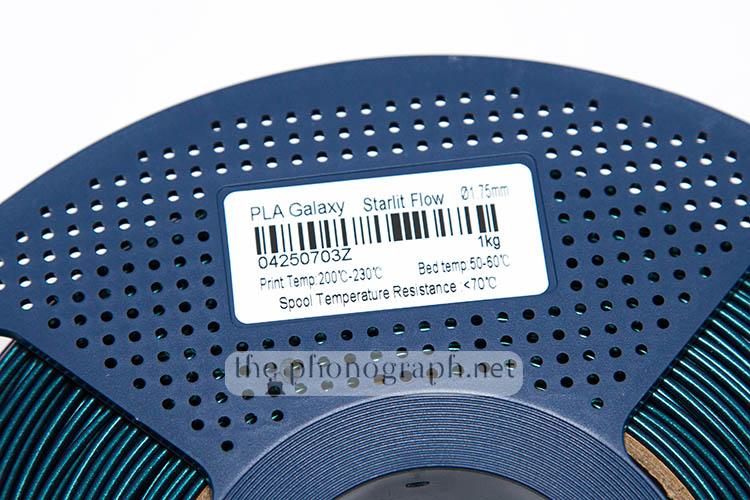
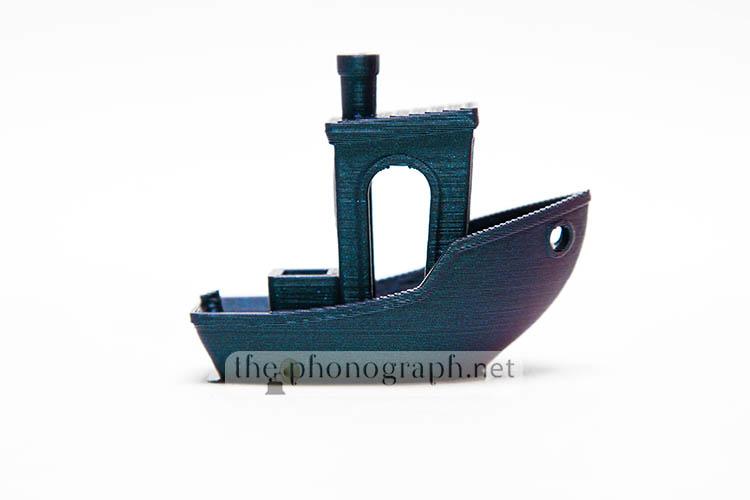
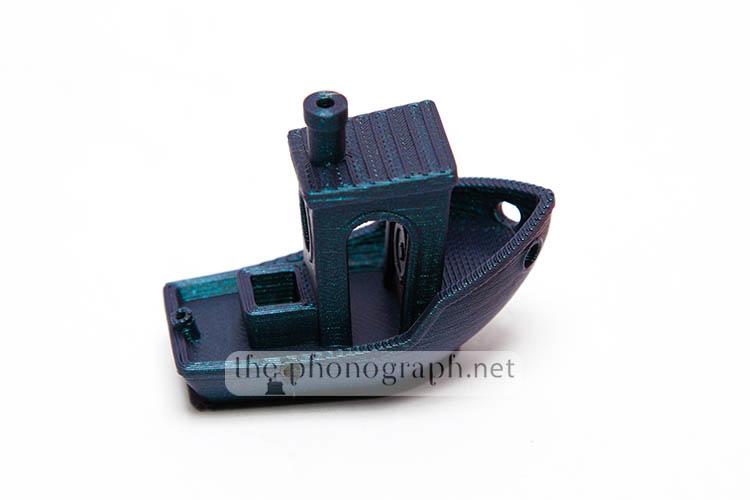
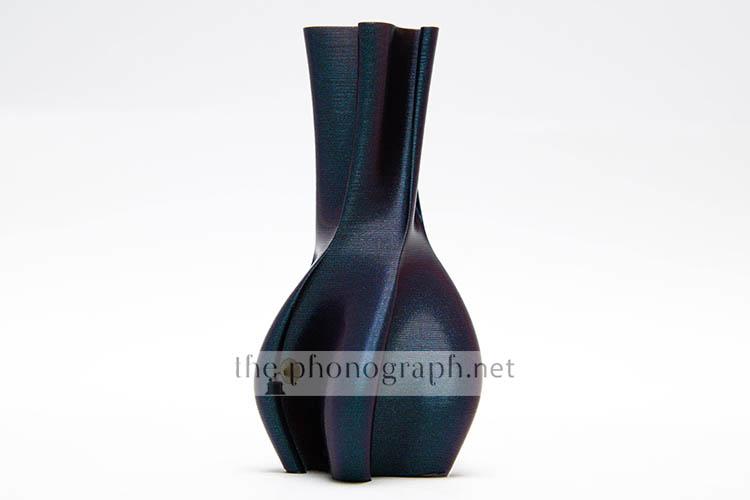
The SUNLU PLA Galaxy Starlit Flow has a characteristic visual identity that is not obtainable with a single-colored and neither with a multi-color PLA filament. If you look closely at our print tests, you can identify different tones of dark blue that also extend over dark purple shades and nearly black tones too. Yet, the added seasoning that pops up even further the mood is a sort of pearled metallic finish that is very rare to find around.
If you are looking for a dark filament but with a one-of-a-kind shading, coloring and finish, the SUNLU PLA Galaxy Starlit Flow is a total banger.
To be aware of:
This filament does not have any special printing requisites above a normal PLA filament (200-230°C nozzle, 50-60°C bed)
SUNLU PLA Galaxy Starlit Flow
SUNLU Silk PLA+ Four-Color Red Yellow Green Black
Type: PLA
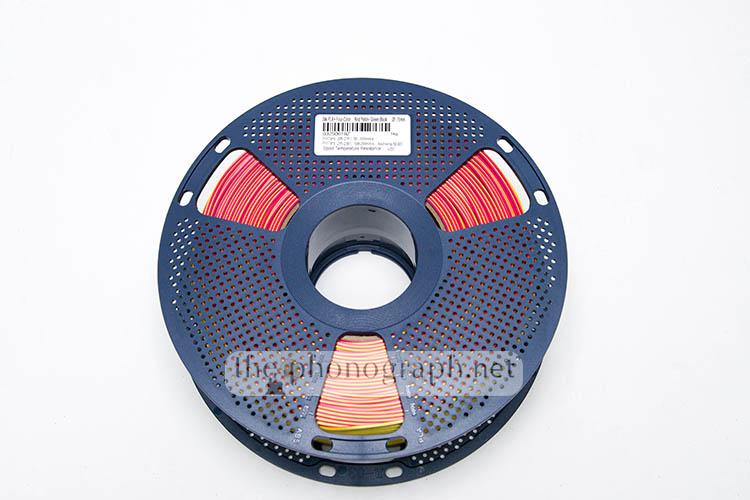
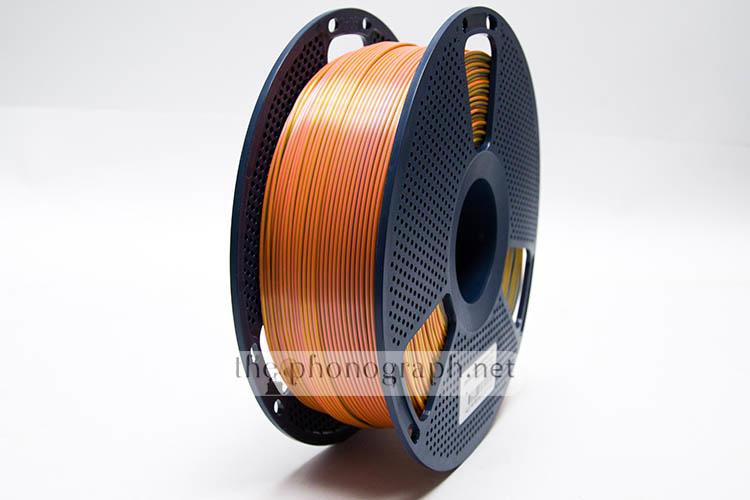
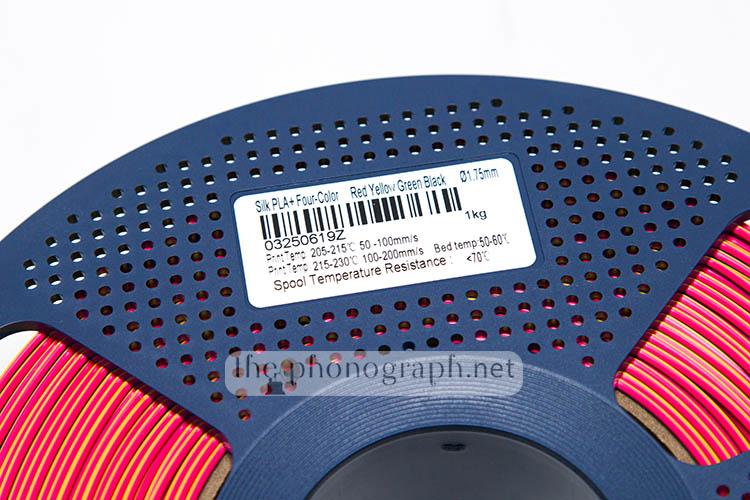
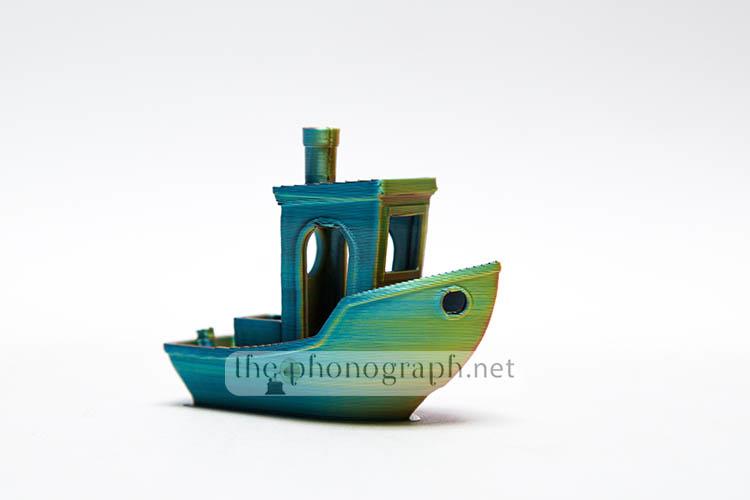
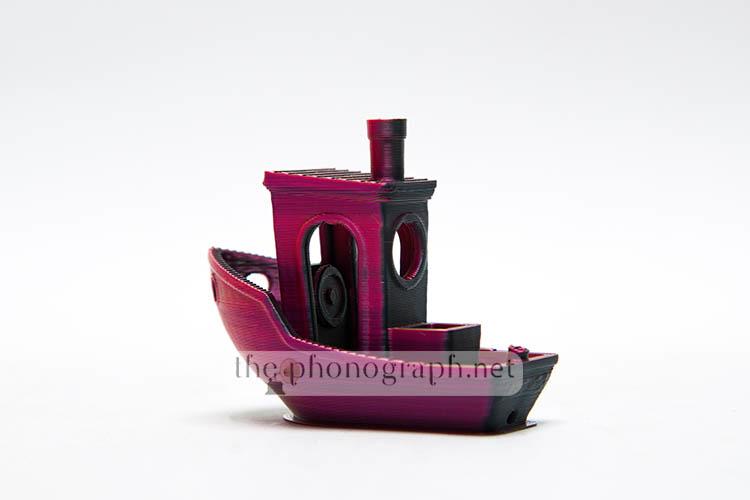
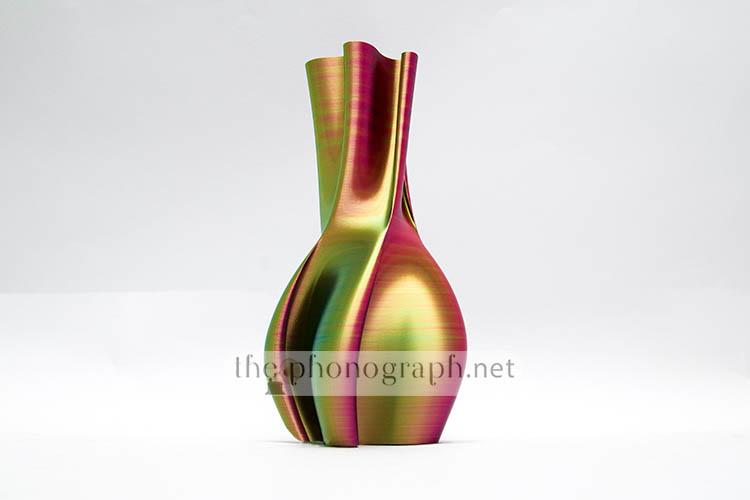
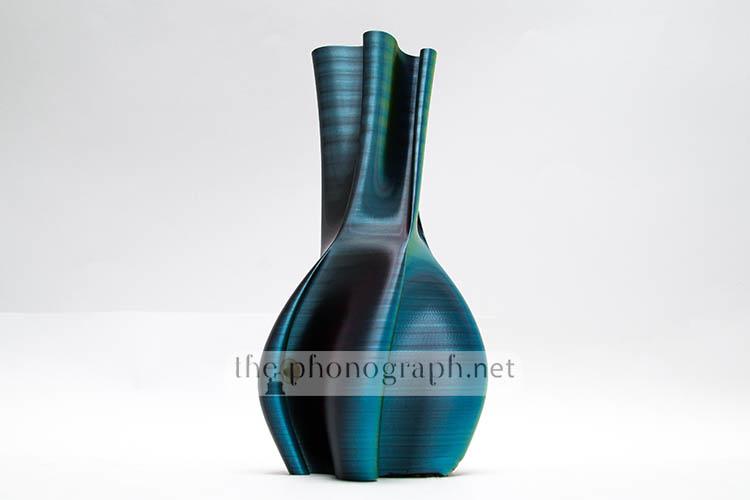
With most multi-color filaments the colors are constant for long meters and then change successively, so you need to make huge prints or prints that consume large amount of filament to see all colors in a same single print. Unlike these other multi-color filaments, the SUNLU Silk PLA+ Four-Color Red Yellow Green Black changes the color decisively on shorter lengths and alternates the 4 colors in few centimeters/fraction of inches apart, so you can get and see all of them even on tiny prints.
Either if this is your first time purchasing a multi-color filament or even if you have the largest collection in Earth, we think that the SUNLU Silk PLA+ Four-Color Red Yellow Green Black is a must-have due to the stunning final effect over your prints.
This specific color variant combines 4 very contrasting colors that end up producing a ravishing effect.
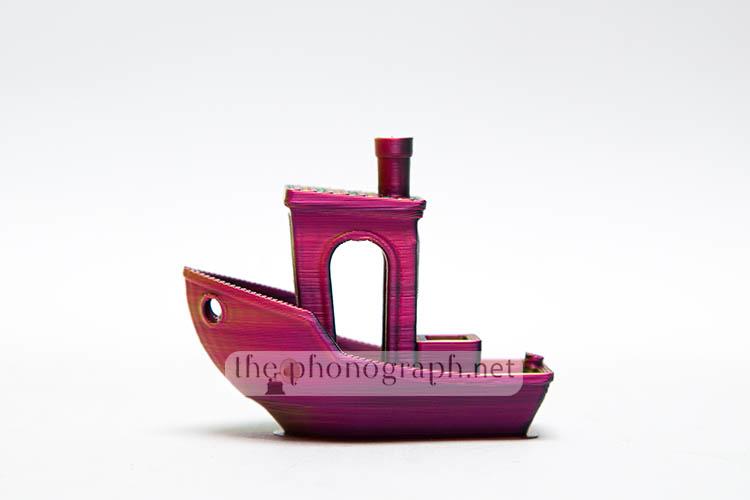
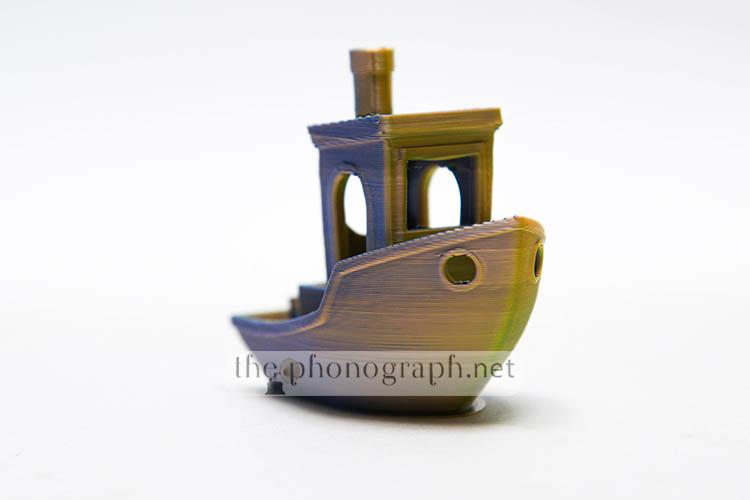
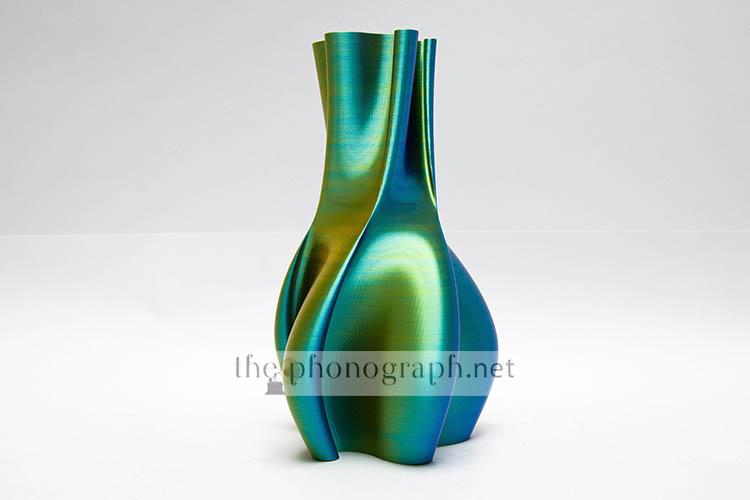
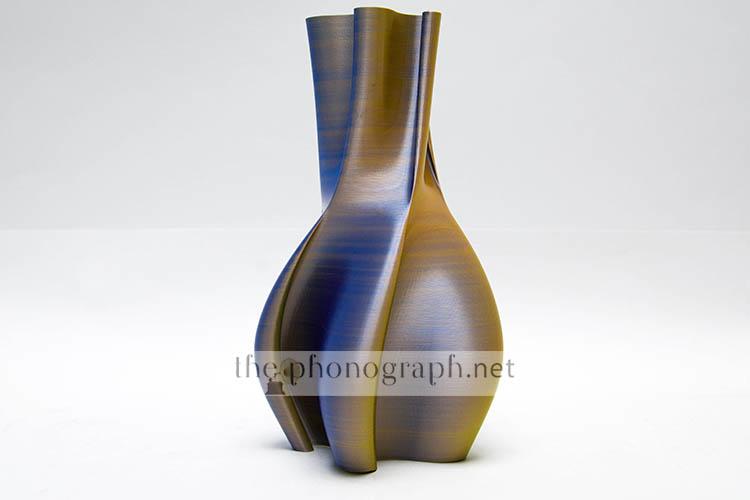
Despite seeming that we printed several vases and Benchys, the vase and Benchy print tests that you see below correspond to 1 single vase print and 1 single Benchy print, that we rotated to show you all the colors that you get throughout the perimeter/circumference on the same print.
The Benchy printed with this 4-color filament is a solid top-pick among our editorial team.
SUNLU Silk PLA+ Four-Color Red Yellow Green Black
SUNLU Silk PLA+ Four-Color Blue Purple Orange Yellow
Type: PLA
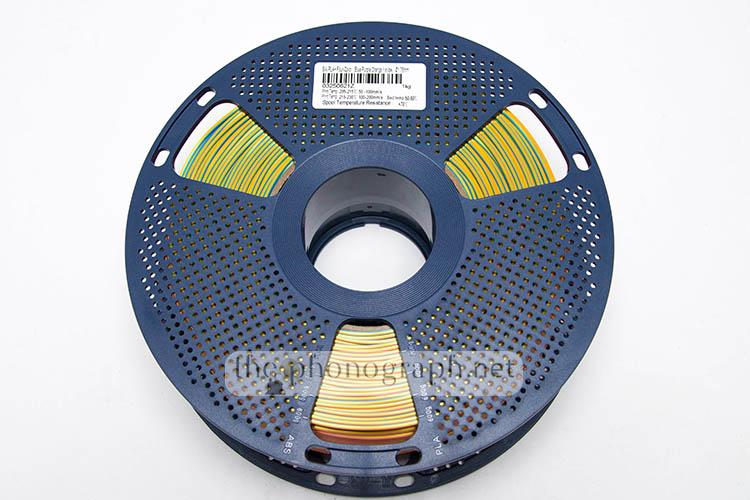
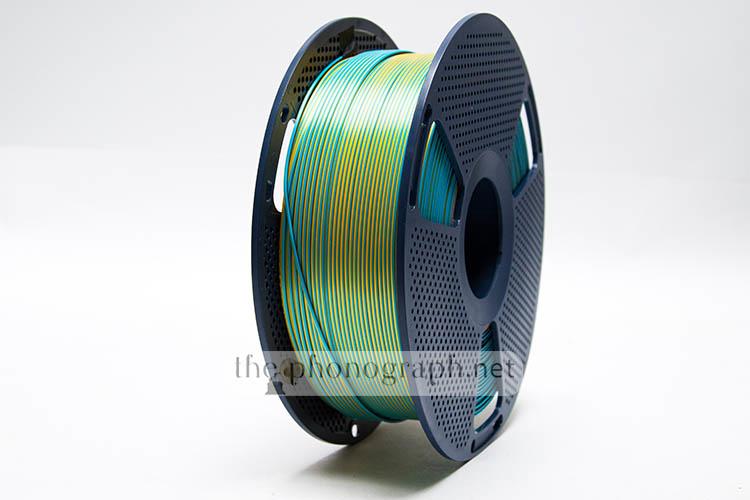
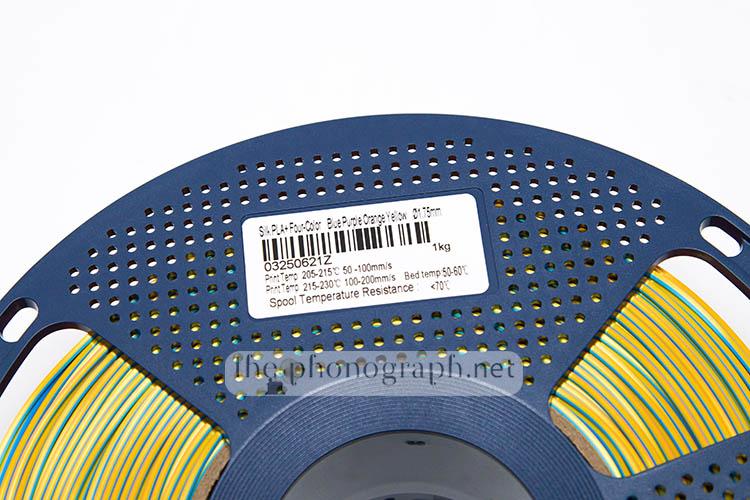
The SUNLU Silk PLA+ Four-Color Blue Purple Orange Yellow is a color variant part of the exact same series of the SUNLU Silk PLA+ Four-Color Red Yellow Green Black.
Unlike the aforementioned, this one has a less-drastic color changing, making the transitions kind of smoother and achieving a more blending and less-contrasty color balancing effect.
As with the other four-color sibling, the photos of our print tests are single units spined around to showcase all the colors that you get and how they harmonize.
Like all other Silk PLA+ models from the brand, the filament has basic printing requirements with speeds from 50mm/s to 200mm/s, bed temp. of 50 to 60 degrees (Celsius) and nozzle printing temp. of 205-230°C.
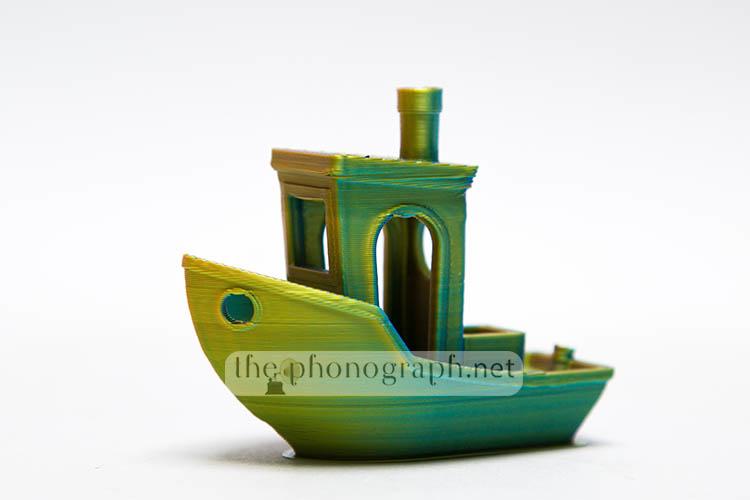
SUNLU Silk PLA+ Four-Color Blue Purple Orange Yellow
RELATED TO THIS:
SELECTED FOR YOU: Aliexpress 11.11 Shopping Festival Coupons
RELATED TO THIS PAGE: Aliexpress Anniversary Sale Coupons and Deals
SEE ALSO: Black Friday Coupons and Deals – Black Friday Aliexpress, , Banggood
MORE: Cyber Monday Coupons and Discounts
CHECK OUT: VERSUS Comparisons
ALSO: Headphones Comparisons